Site icon Miles Hearn

Ducklings at Lambton Woods: May 2021

Mallards can have two broods during the season and ducklings can number from 1 – 13 in each.

Mallard ducklings

Eggs are incubated for 23 – 30 days.

Mallard ducklings

These little down-covered ducklings are out of the nest in less than one day.

Mallard ducklings

 During the breeding season, Mallards eat mainly animal matter including aquatic insect larvae, earthworms, snails and freshwater shrimp.

Mallard ducklings

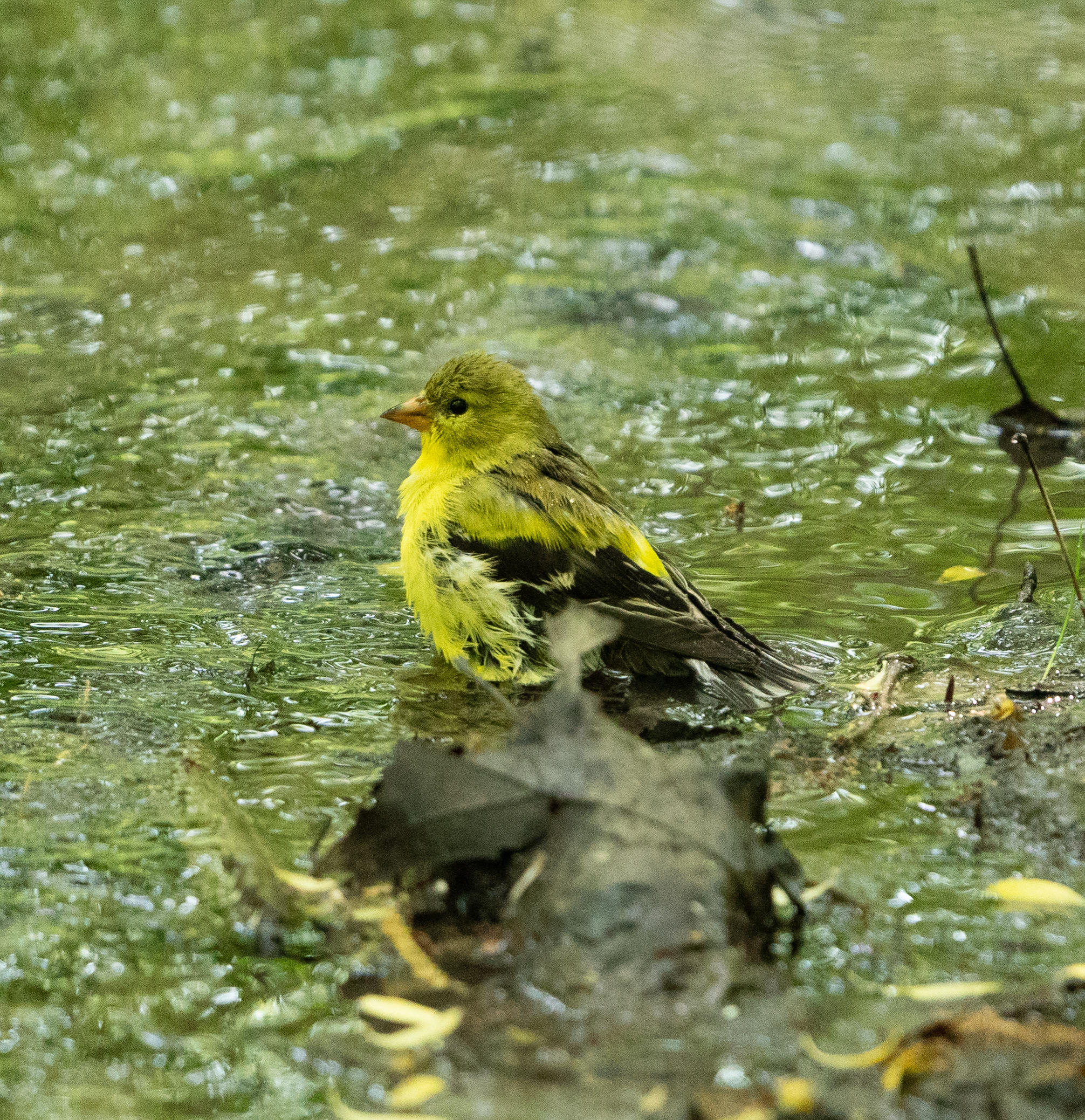
MYSTERY BIRD

I will identify it at the end of the post.
Migration certainly appears to be over, at least at Lambton Woods. I didn’t have a single migrating bird.

Here are the birds I was able to photograph:

Mallards
Canada Geese
Canada Goose
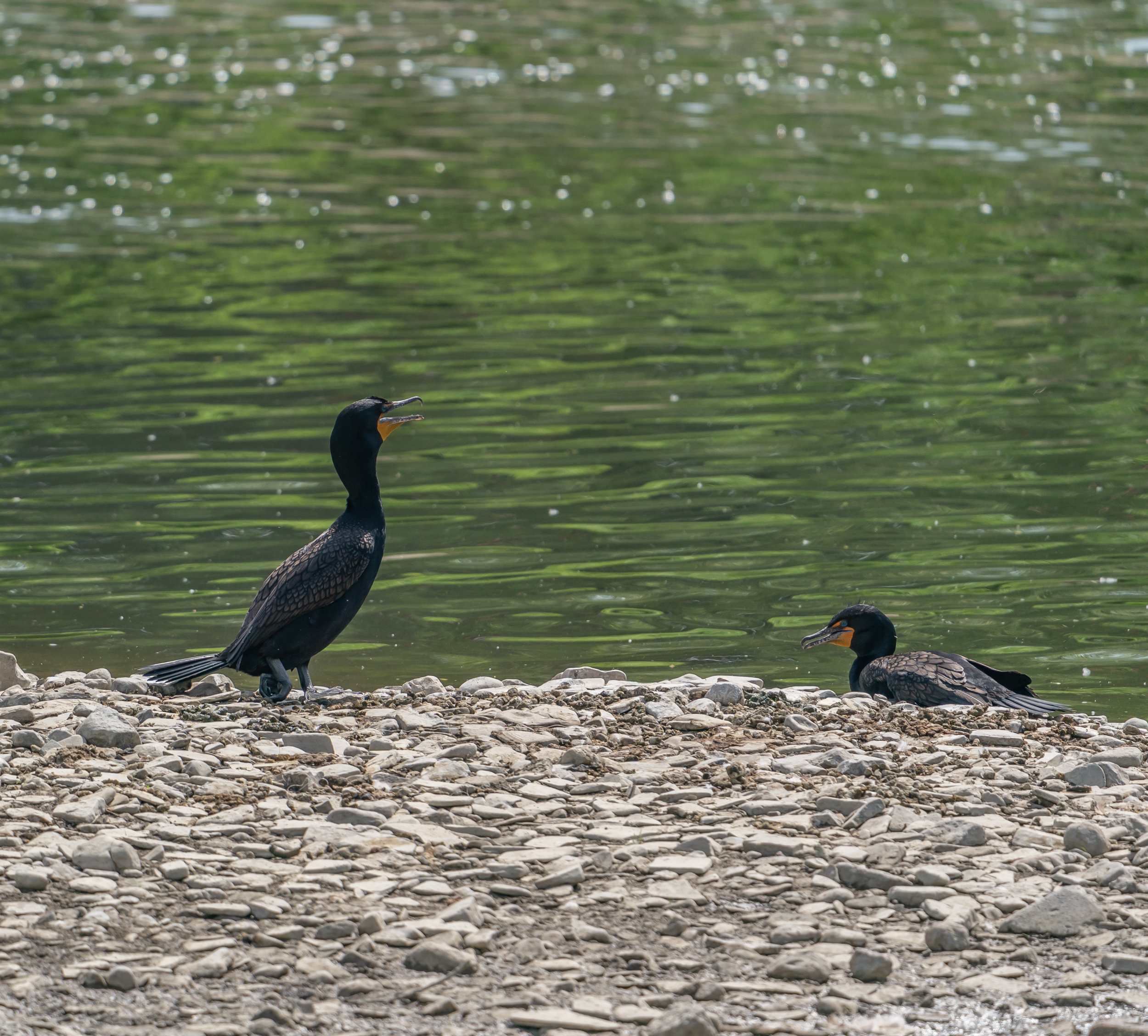
Double-crested Cormorants
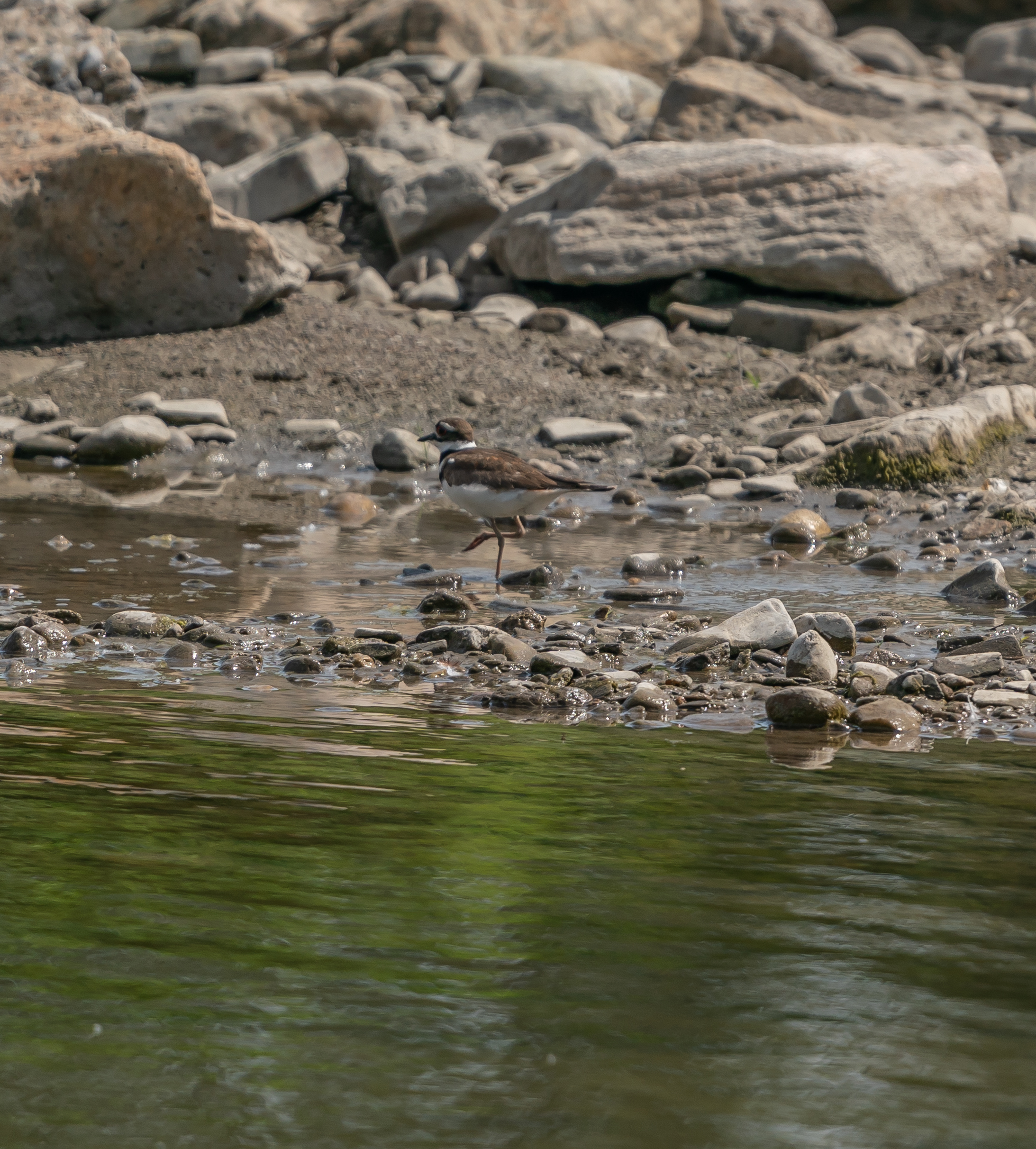
Killdeer
Baltimore Oriole (male)

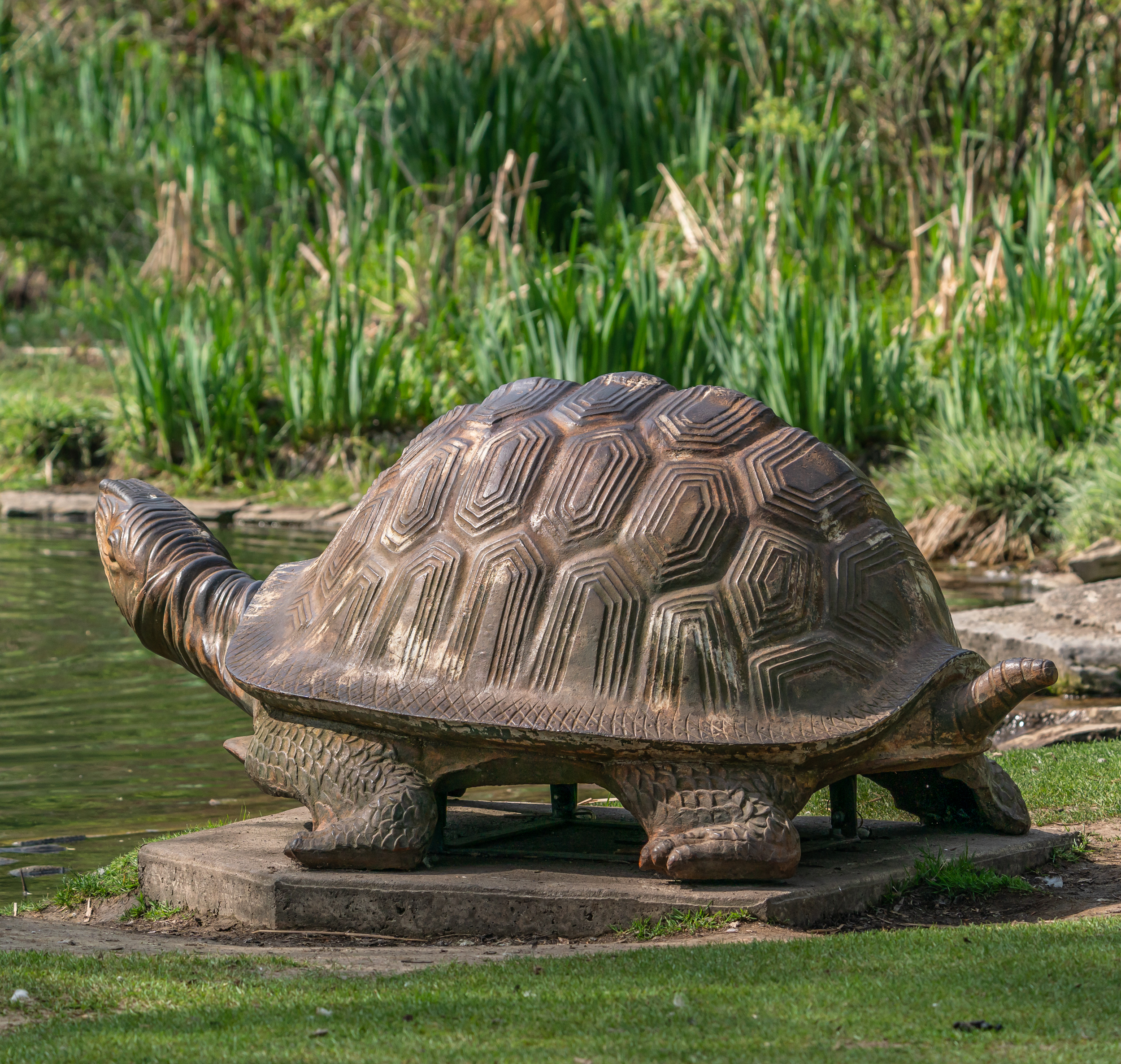
Views from Lambton Woods:

Some botany:

Garlic Mustard (Alliaria petiolata)
Siberian Elm (Ulmus pumila)
Forget-me-not (Myosotis)
White Trillium (Trillium grandiflorum)
Garlic Mustard (Alliaria petiolata)
Alternate-leaved Dogwood (Cornus alternifolia)
Lily of the Valley (Convallaria majalis)
Norway Maple (Acer platanoides)
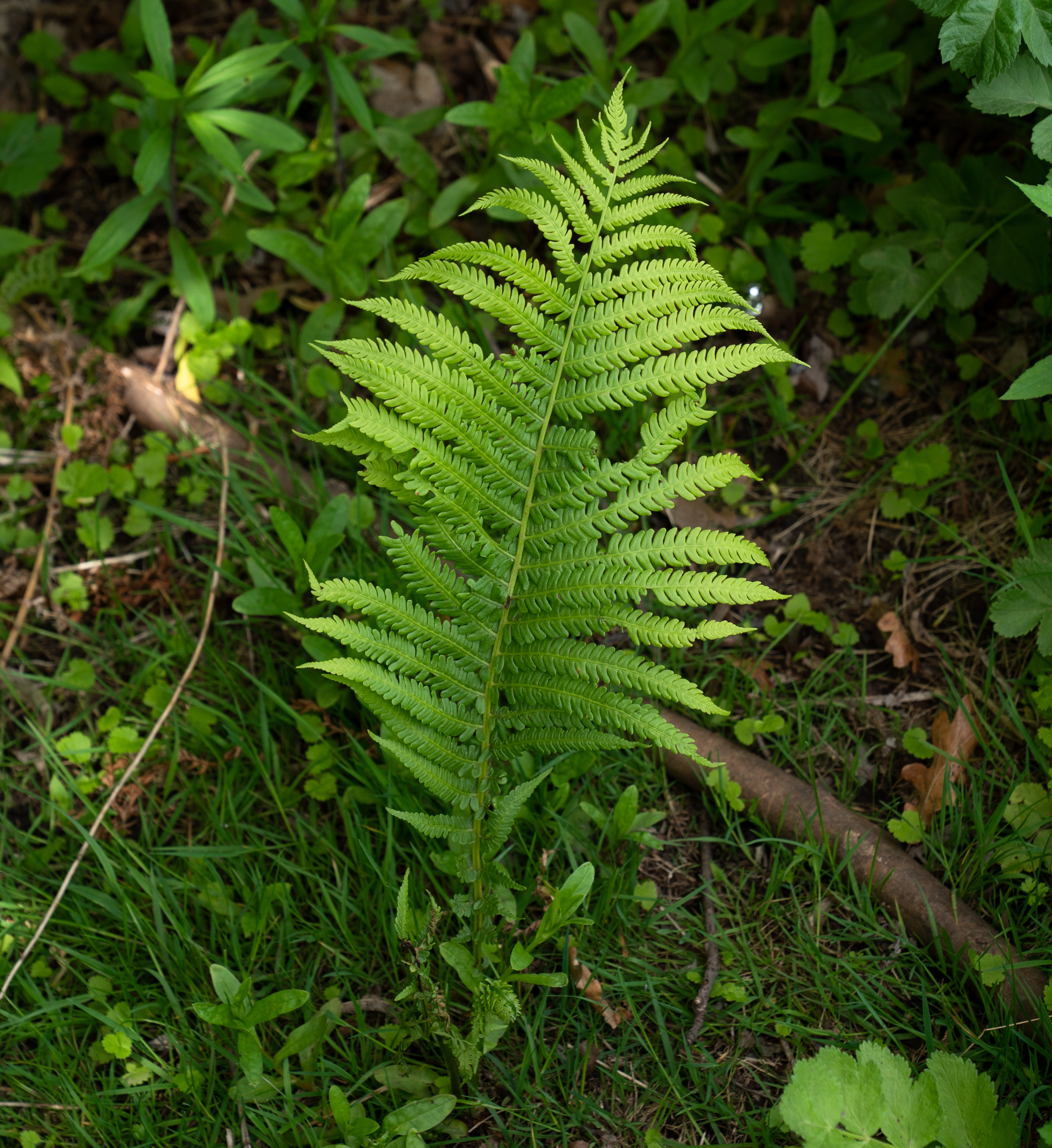
Ostrich Fern
Skunk-cabbage (Symplocarpus foetidus)
Dandelion (Taraxacum officinale)
Linden (Tilia cordata)
Virginia Waterleaf (Hydrophyllum virginianum)
Wild-ginger (Asarum canadense)
Wild Geranium (Geranium maculatum)
Winter Cress (Barbarea)
Wild Geranium (Geranium maculatum)
Winter Cress (Barbarea)
Spindletree (Euonymus europaea)
Black Currant (Ribes nigrum)
Red-osier (Cornus sericea)
Coltsfoot (Tussilago farfara)
Choke Cherry (Prunus virginiana)

MYSTERY BIRD

Despite the lack of gold colour this is a recently bathed female American Goldfinch.

American Goldfinch (female)

NATURE POETRY

May is bee in blossom,
May is birds a-nesting,
May is picking violets on a hill;
May is young and twenty,
May is Sunday-besting,
May is eager Jack and willing Jill.             – The Old Farmer’s Almanac, 1961

Miles Hearn

Exit mobile version