



Poison Ivy grows in forests and thickets, both wet and dry, and on open ground both wet and upland.

Those three leaflets help to identify it. Leaflets three? Quickly flee!

Sometimes the leaves are fringed.

Poison Ivy growing in shady situations turns yellow in fall:

In sunny situations it turns red:

New growth can look very shiny:

Berries come in white clusters. Berries white? Quick. Take flight!

Some views of Lambton Woods from this morning:


Today’s group:

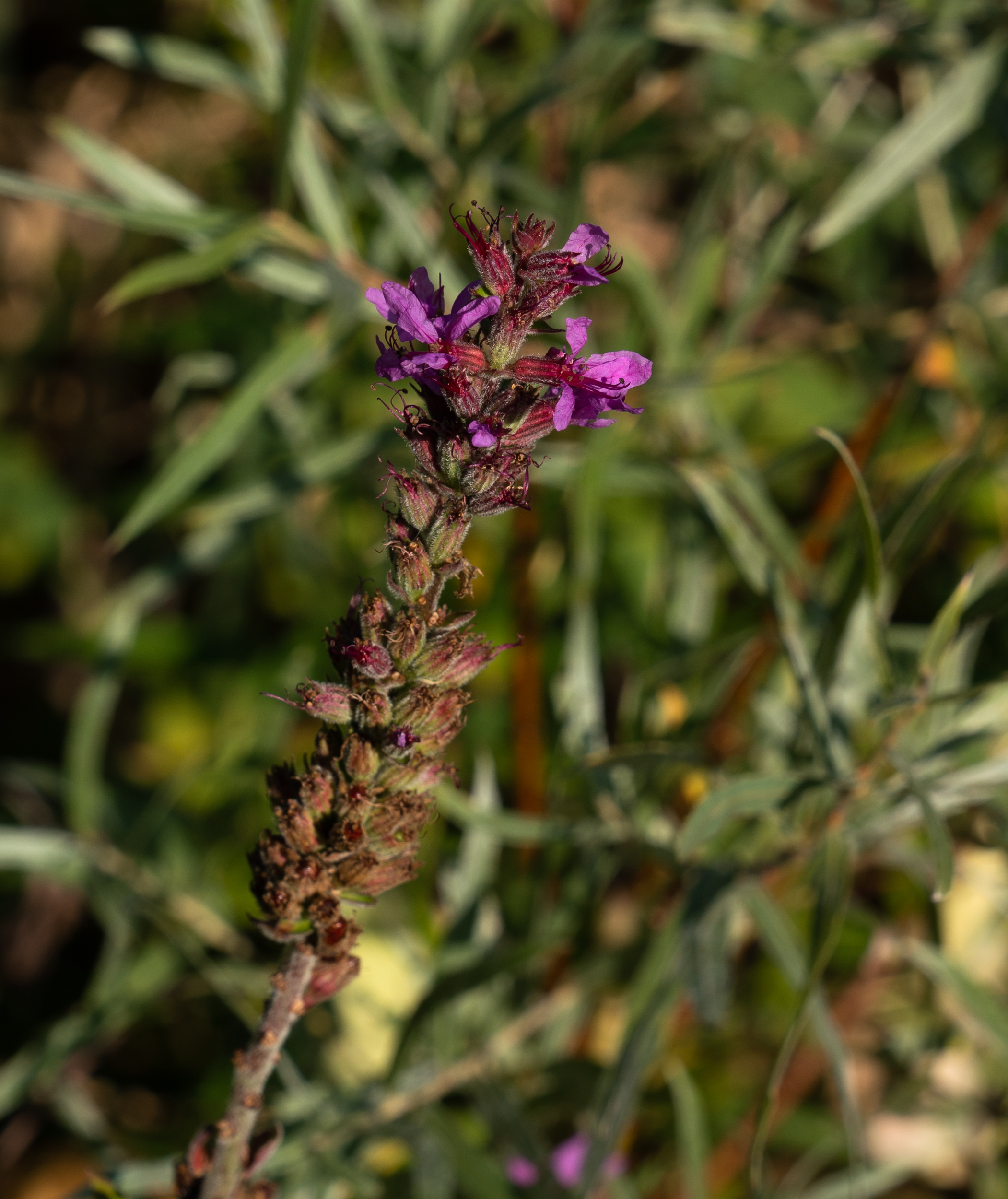
Some botany:




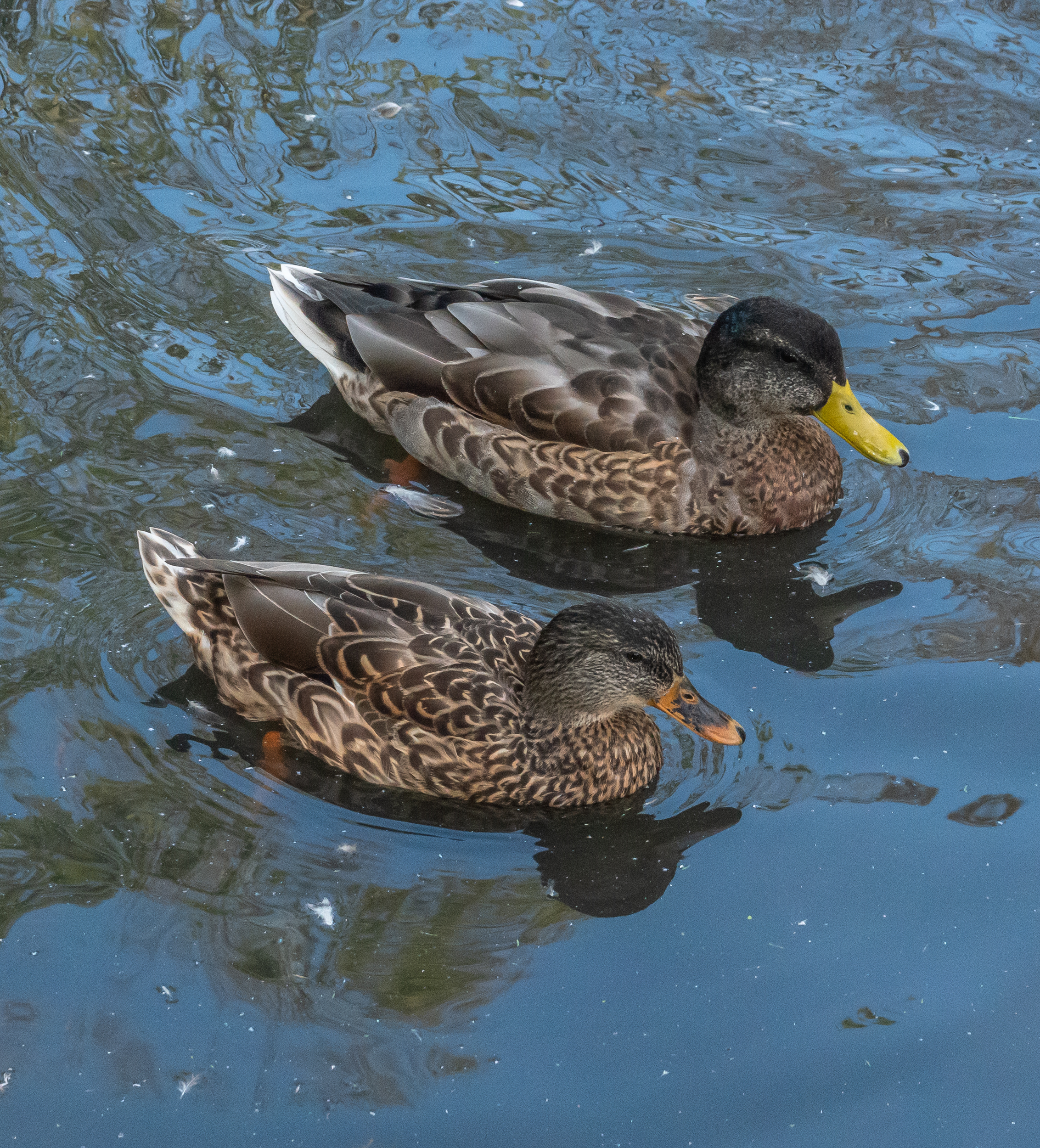
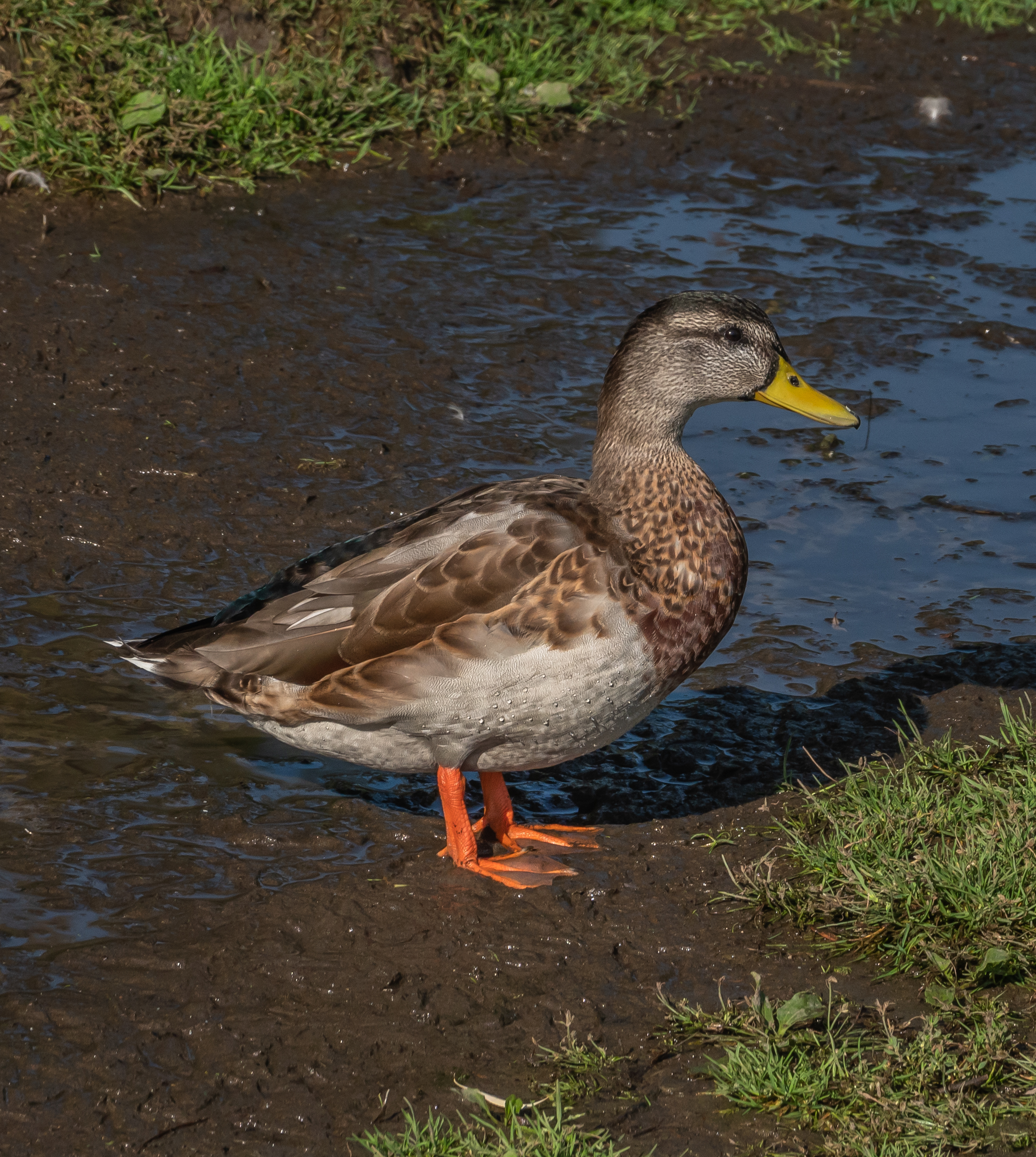
Bird Species list: double-crested cormorant, great egret, Canada goose, mallard, American black duck, ring-billed gull, northern flicker, hairy woodpecker, blue jay, black-capped chickadee, white-breasted nuthatch, American robin, house sparrow, northern cardinal. (14 species)
Some birds:






NATURE POETRY
At daybreak a blossom,
At noontime a rose,
At twilight ’tis withered,
At evening ’tis closed.
The din of confusion,
The strain of the fife,
These with other things
Make up life. – Carrie Law Morgan Figgs (1878–1968)
Miles Hearn