

There is a simple answer to this question. Both names apply.

Woodchucks are active in the day and feed on tender, succulent plants.
They den in an extensive burrow with 2 or more openings.

These burrows can be 4 – 5 feet deep and 25 – 30 feet long.

Woodchucks hibernate in winter.

A typical home range is between 40 and 160 acres.

MYSTERY PLANT
I will identify it at the end of the post.

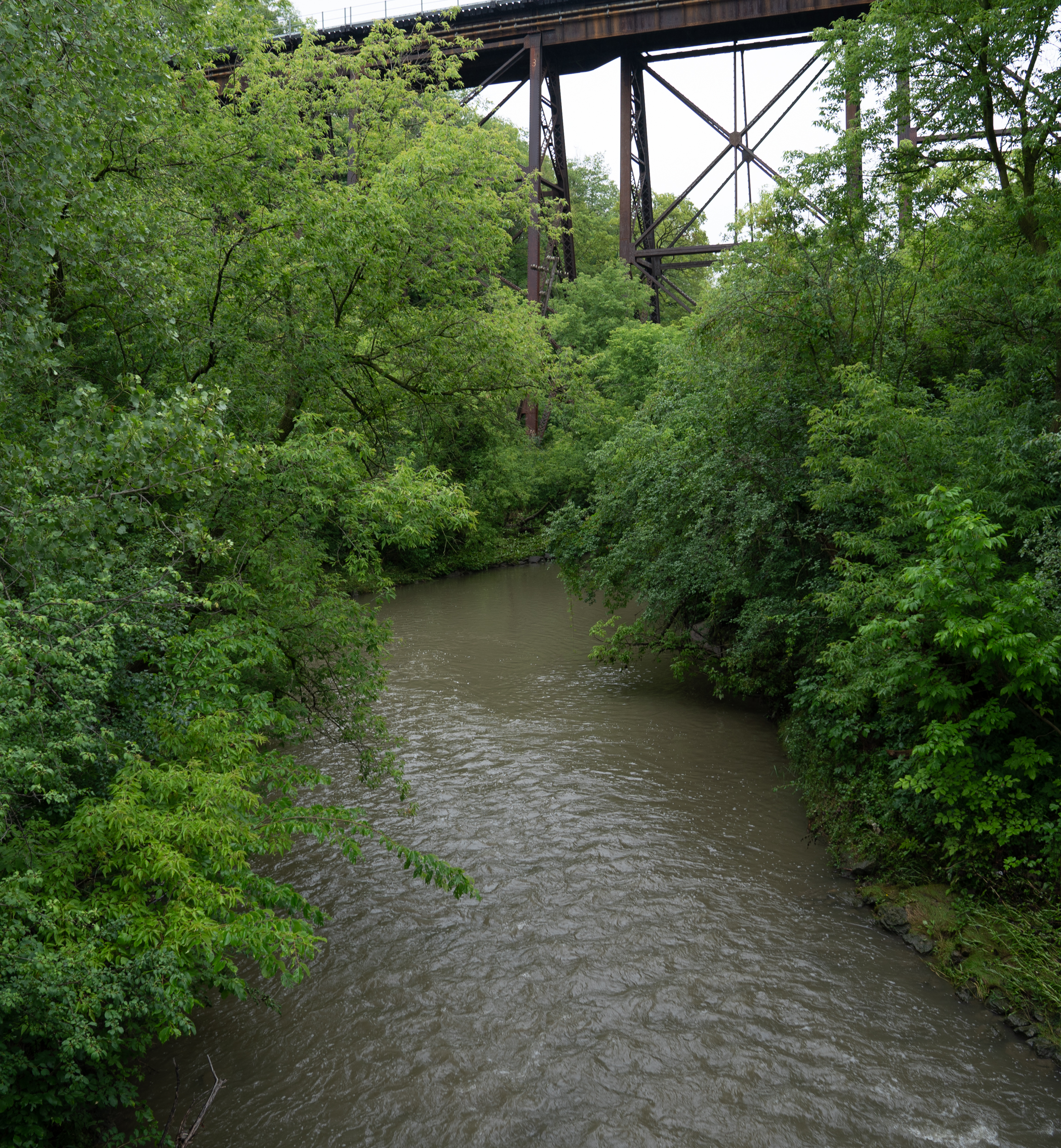
With a day of rain predicted, I went to Seton Park by the Don River and took as many photos as I could until rain set in.




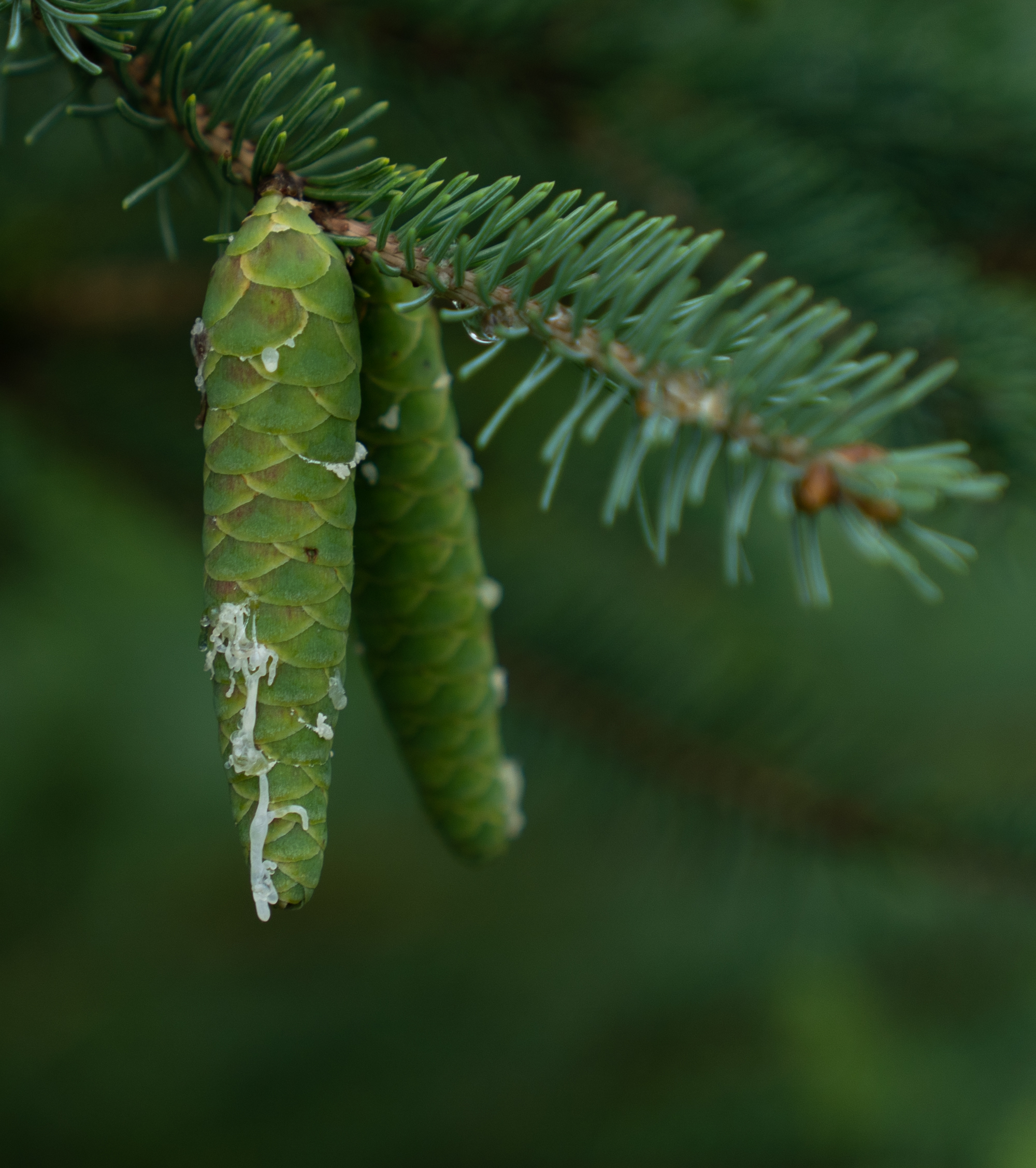
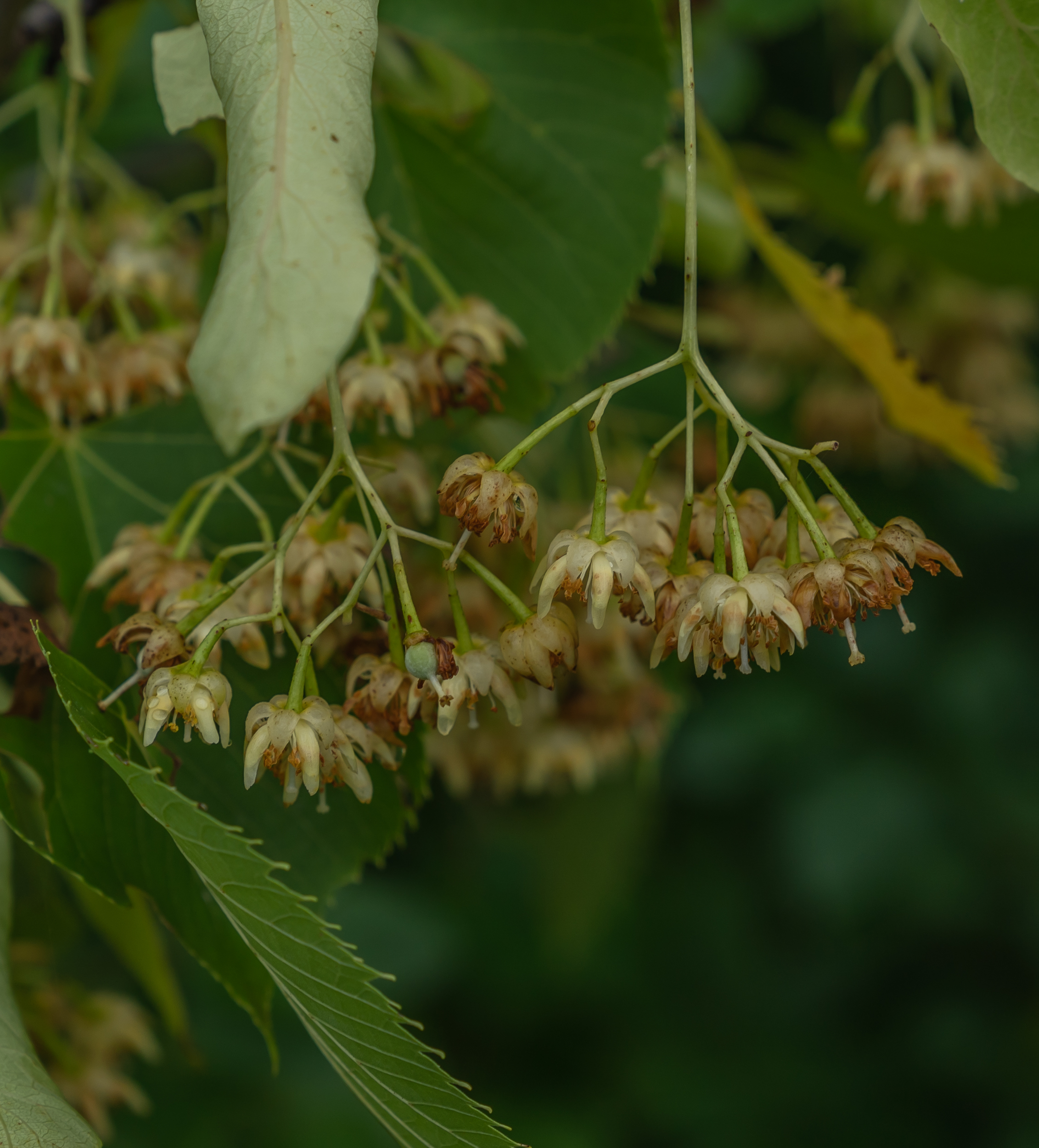
Some botany:





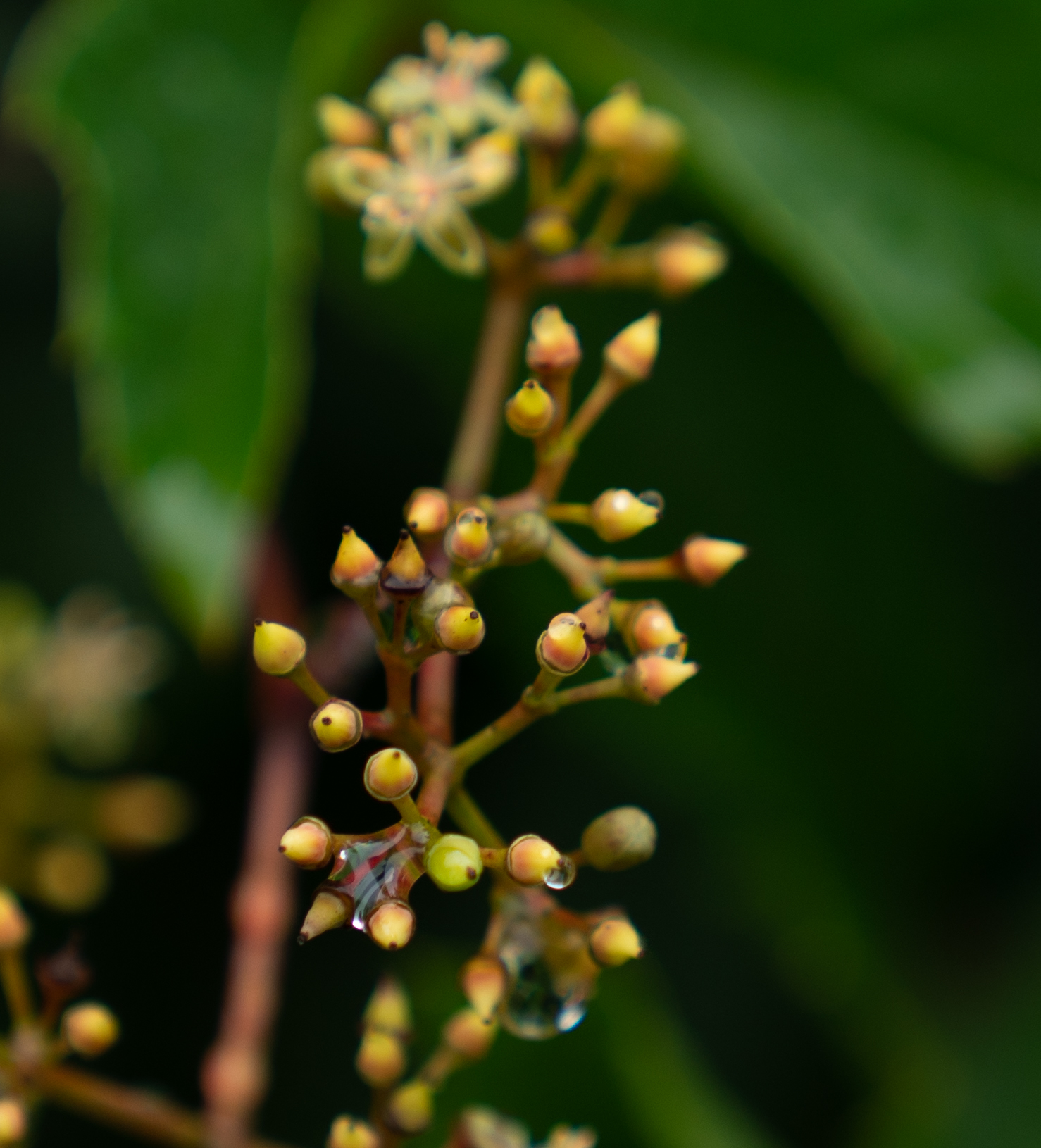


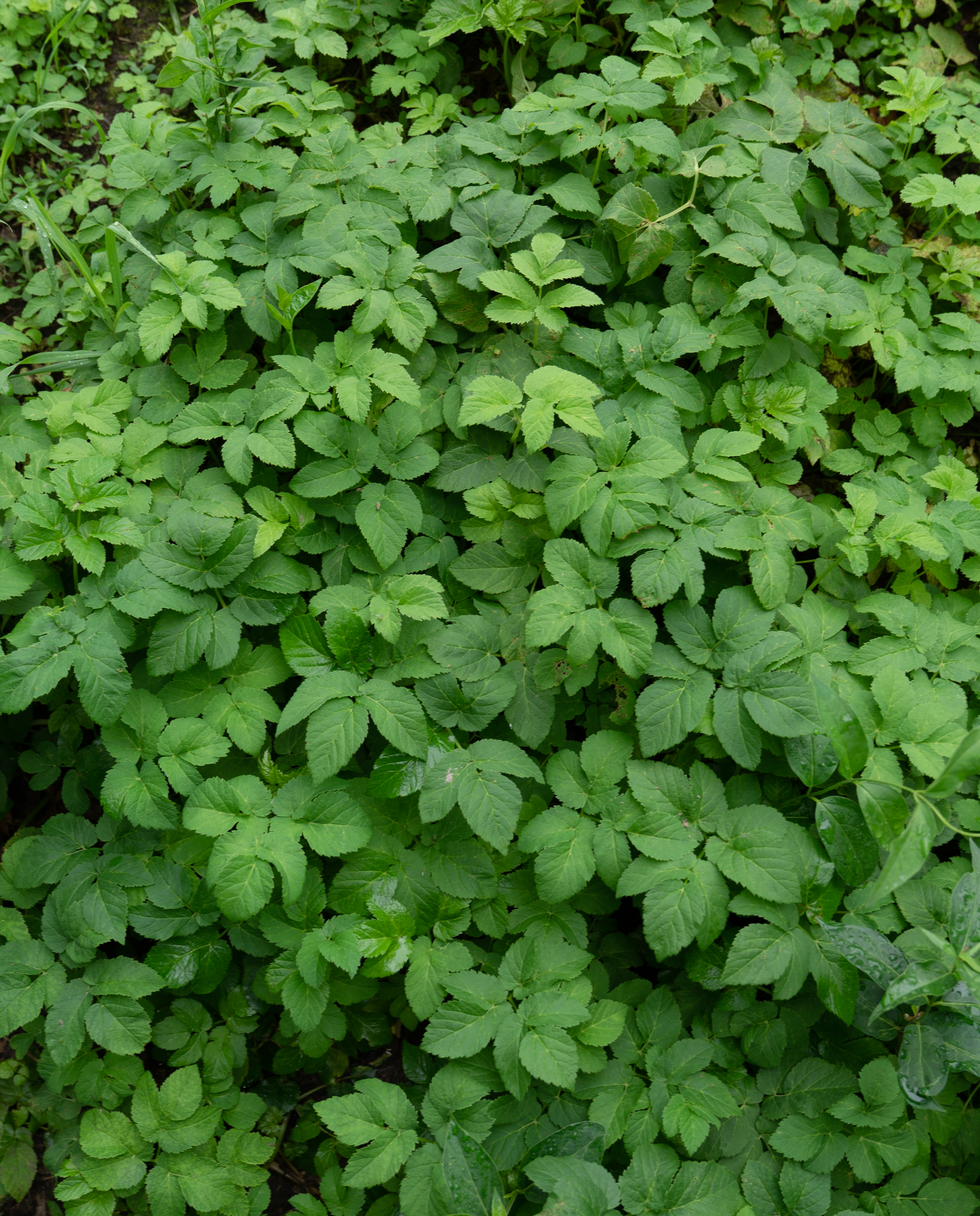


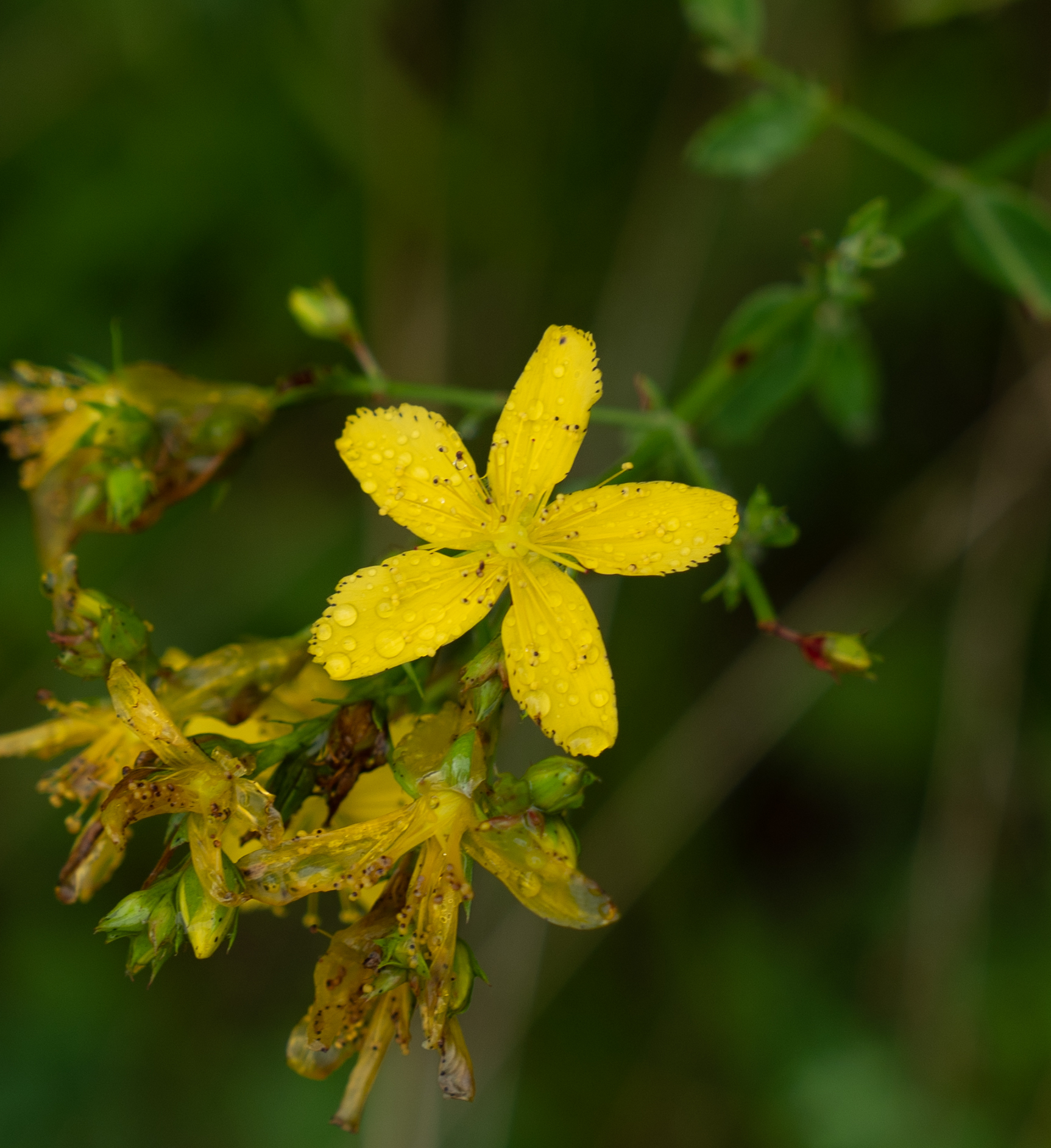


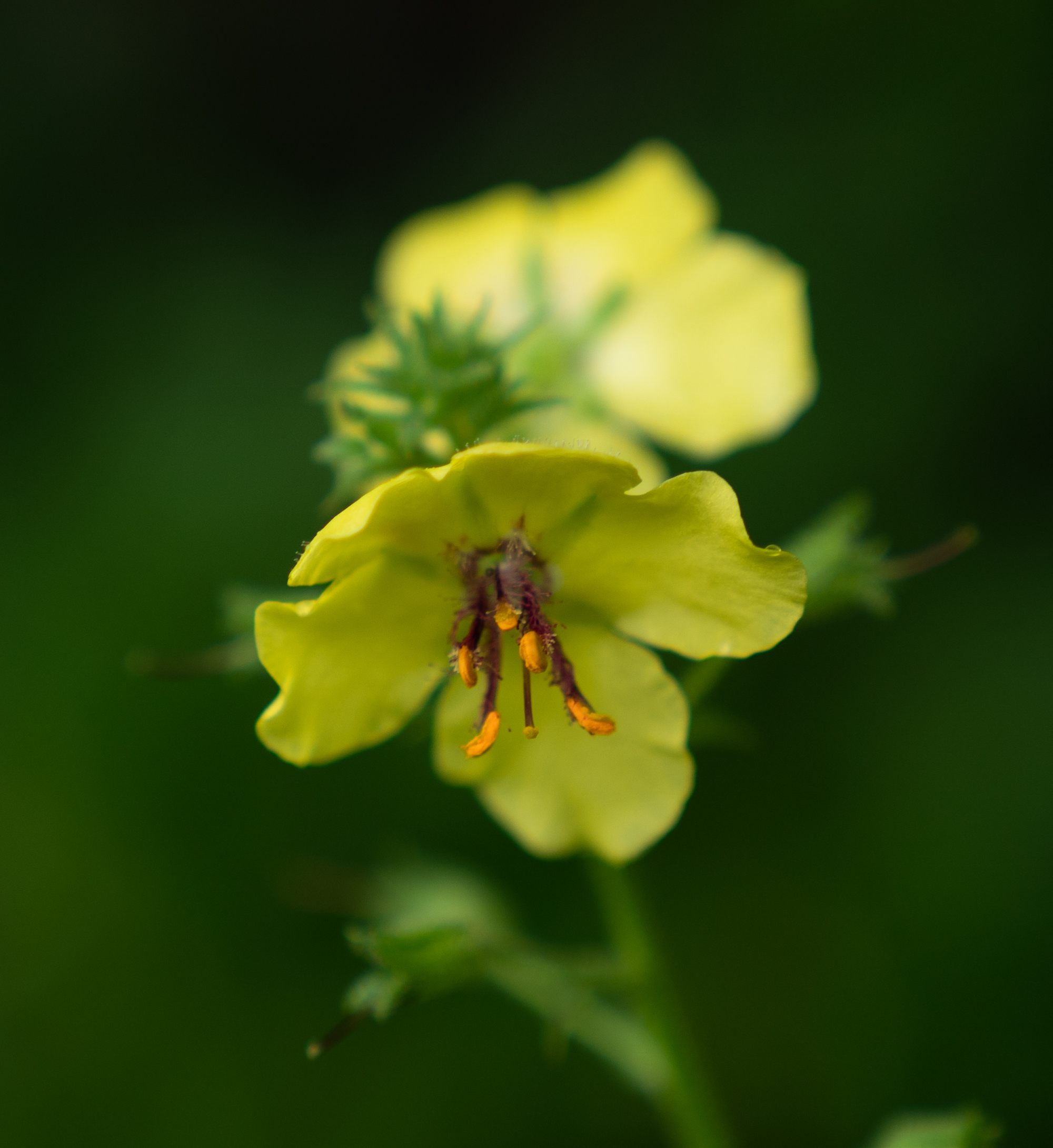
MYSTERY PLANT
This plant will grow taller and more obvious into September, especially for “hay fever” sufferers: Ragweed.
MAILBOX
These photos come from the Gowganda region in Northern Ontario.
Hi Miles,
Thought I could send you some pictures for a change. I am so excited!
A friend told me about a ‘whip poor will’ he sighted and found 2 eggs; my husband and I went out on ATV’s a week later ( time elapsed due to very wet weather) and were surprised to find that it wasn’t a Whip poor Will but a Nighthawk. I couldn’t find the eggs the first trip and did not stay long to search ( about 4-5minutes) as I felt the temperature was too high and the eggs were on bare rock . We went back the next day earlier in the day and found her immediately , she was sitting and beside her a baby chick. I took a few pictures very quickly and left in less than 5 minutes.


NATURE POETRY
How much wood could a woodchuck chuck
If a woodchuck could chuck wood?
As much wood as a woodchuck could chuck,
If a woodchuck could chuck wood. – Mother Goose
Miles Hearn