

On a morning of off-and-on rain, I headed to Humber Bay.
The most obvious birds were the hundreds of Cormorants in the sky and in the lake. These are eerie birds as they are completely silent.

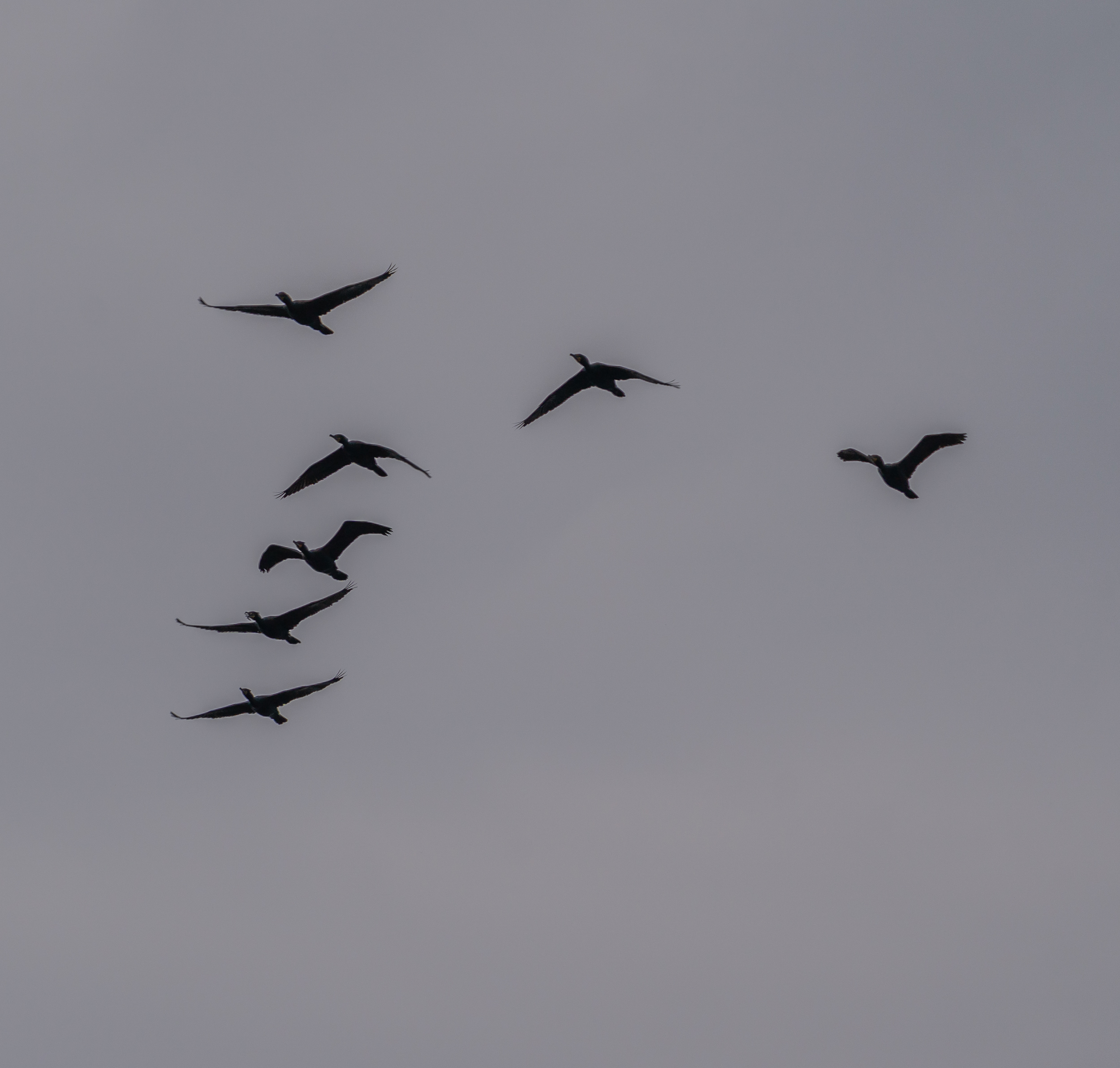


MYSTERY BIRD
At the conclusion of the post, I will identify it.

Other birds:


The swarms of Midges here are good food for the nesting Tree Swallows:


Humber Bay, Col. Sam Smith Park and Tommy Thompson Park all provide floating nesting platforms for Red-necked Grebes.


The grebes at Humber bay have constructed a nest of twigs, reeds, aquatic vegetation, bark and even some plastic:


The female Red-necked Grebe lays two to six eggs which hatch in about three weeks.
Grebe chicks have striped heads:

Both parents care for the young.
The red-necked grebe eats minnows and other small fish, crayfish, tadpoles, salamanders, insects, and aquatic plants.


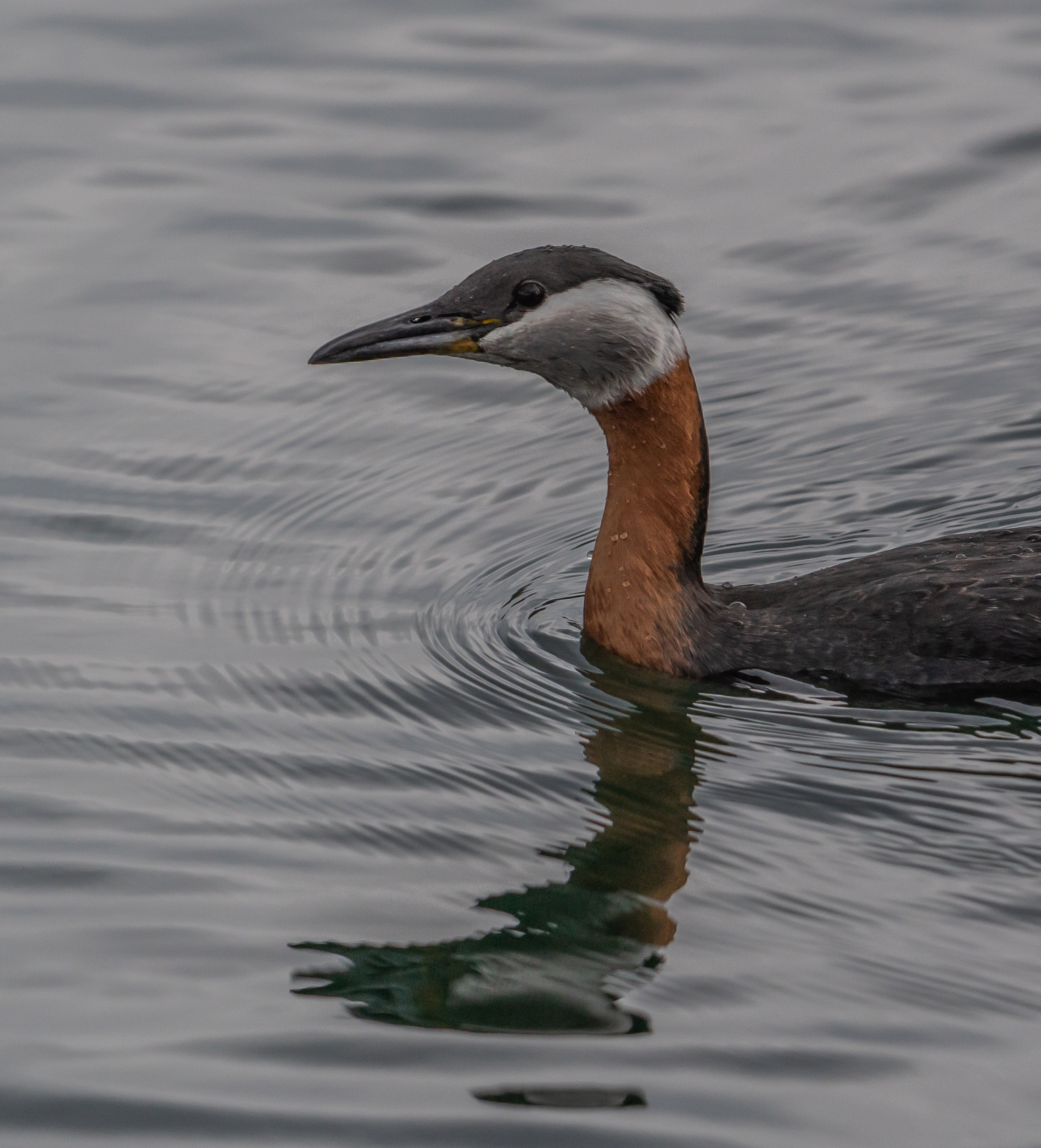
MYSTERY BIRD
Gadwalls have a white patch on the rear end of the wing. Males have a black rump as this one does.
NATURE POETRY
Again the blackbirds sing; the streams
Wake, laughing, from their winter dreams,
And tremble in the April showers
The tassels of the maple flowers. – John Greenleaf Whittier (1807–92)
Miles Hearn