

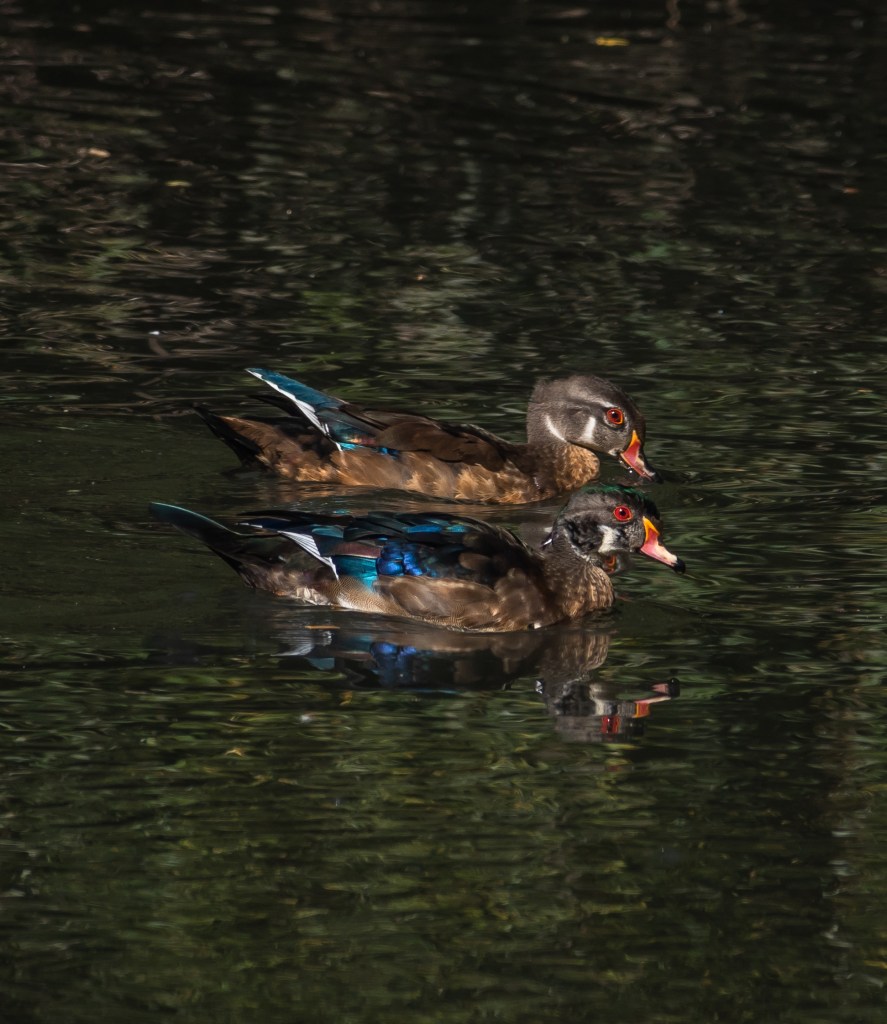
We had some interesting bird species at High Park this morning. Here is one that is easy to identify:


But here are five that were not:
#1

#2

#3

#4

#5

Let’s look at them individually.
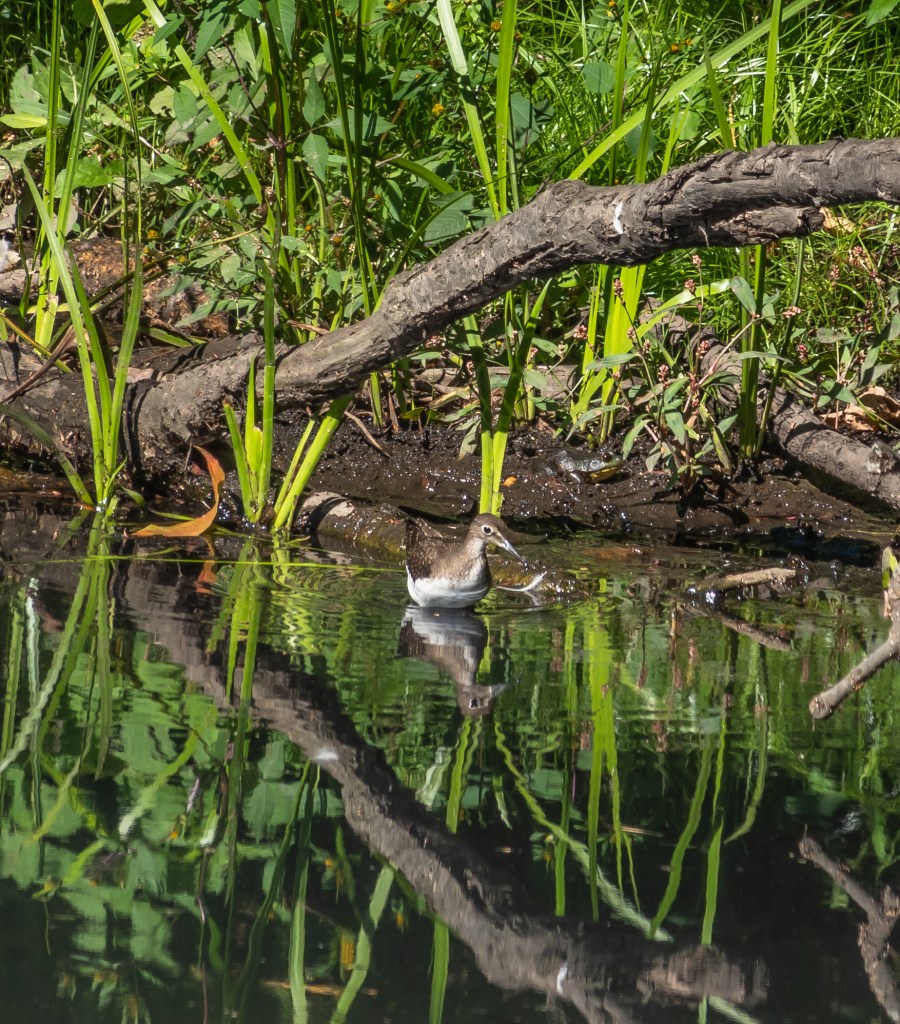
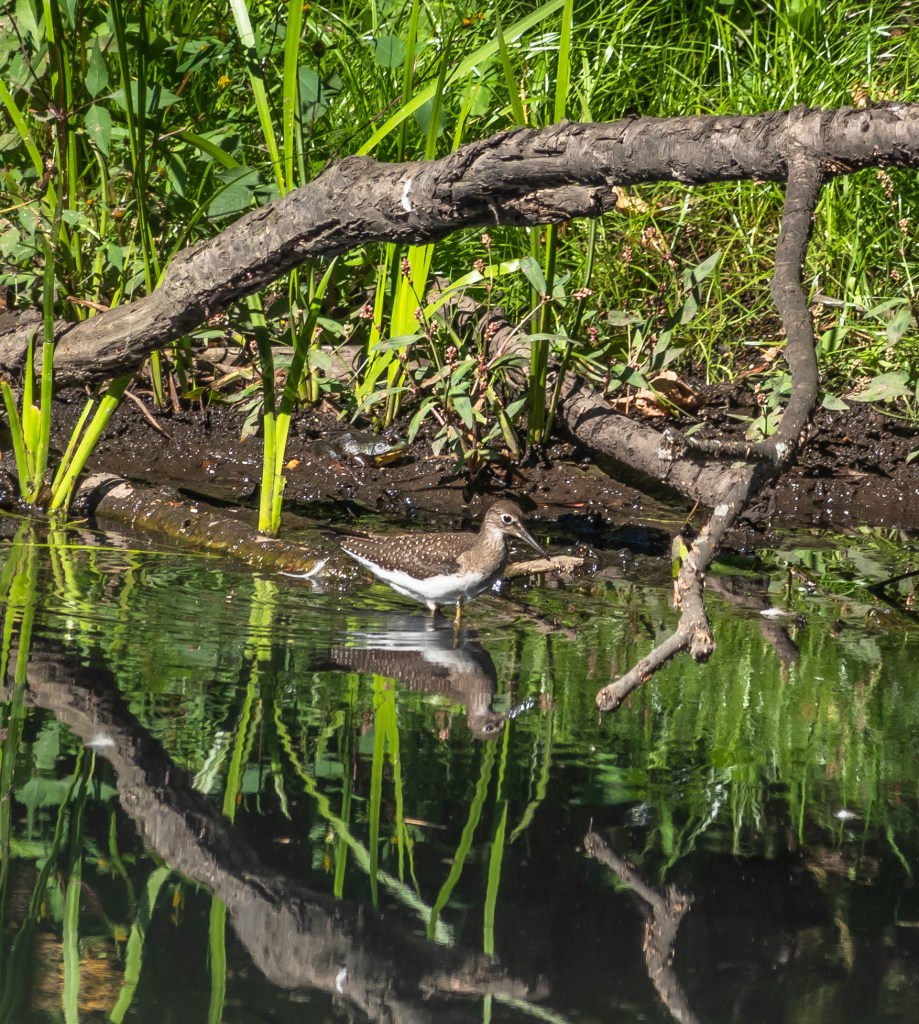
#1 is obviously a sandpiper. Two evident features are the dark back and the light white eye-ring. Looking at a guide, we see that these are characteristics of the Solitary Sandpiper. The guide also tells us that this species likes wooded ponds which is where we saw it.

#2
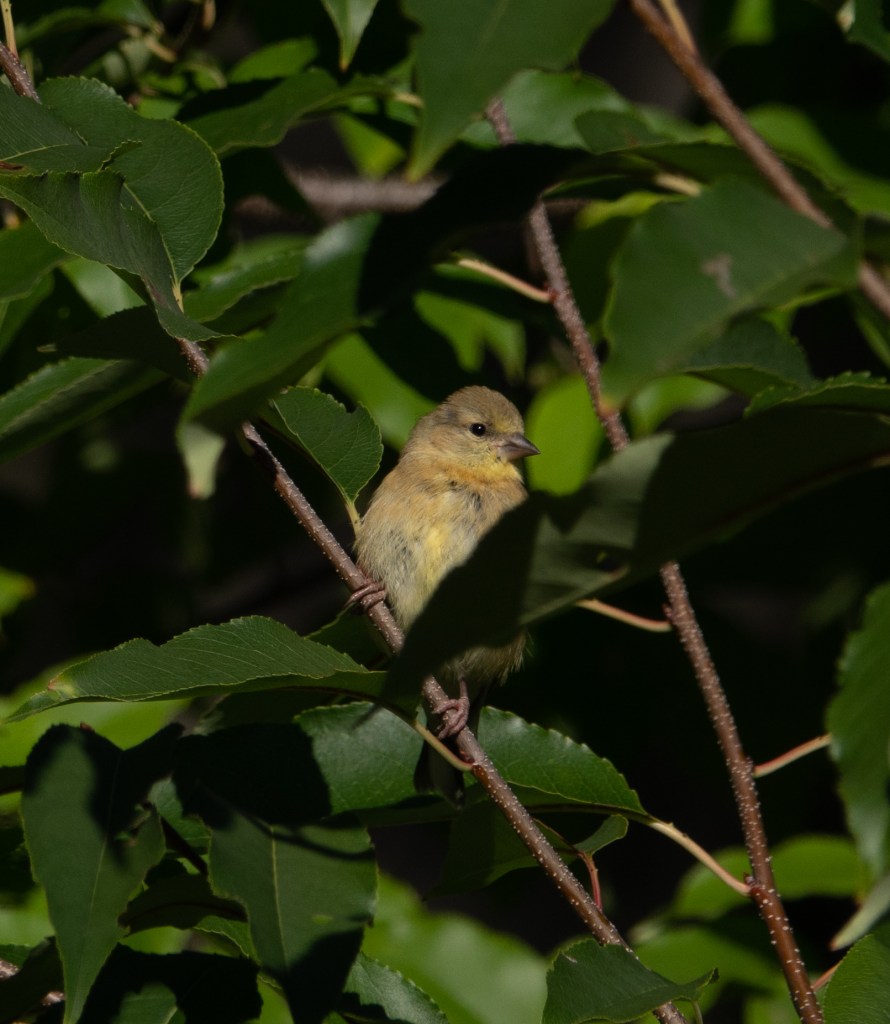
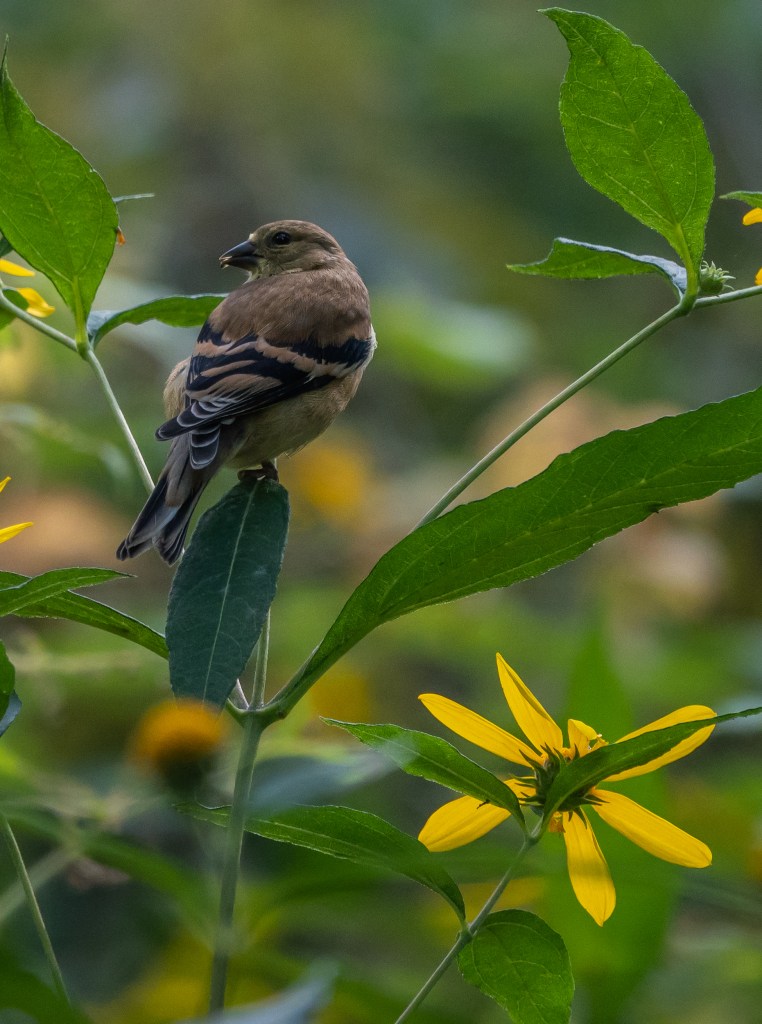
This small bird is showing a dull yellow-olive colour. It was among a flock of about a dozen and by this behaviour, the undulating flight pattern and the chatting calls, it is clearly a female American Goldfinch.

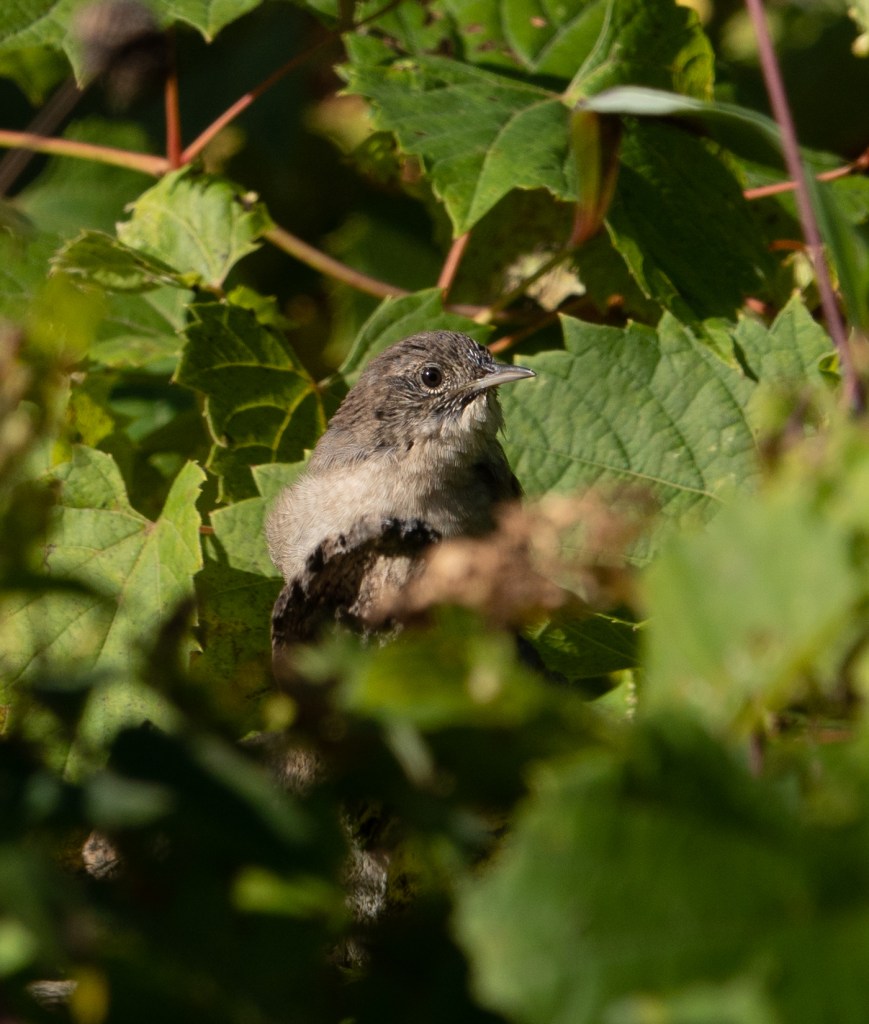
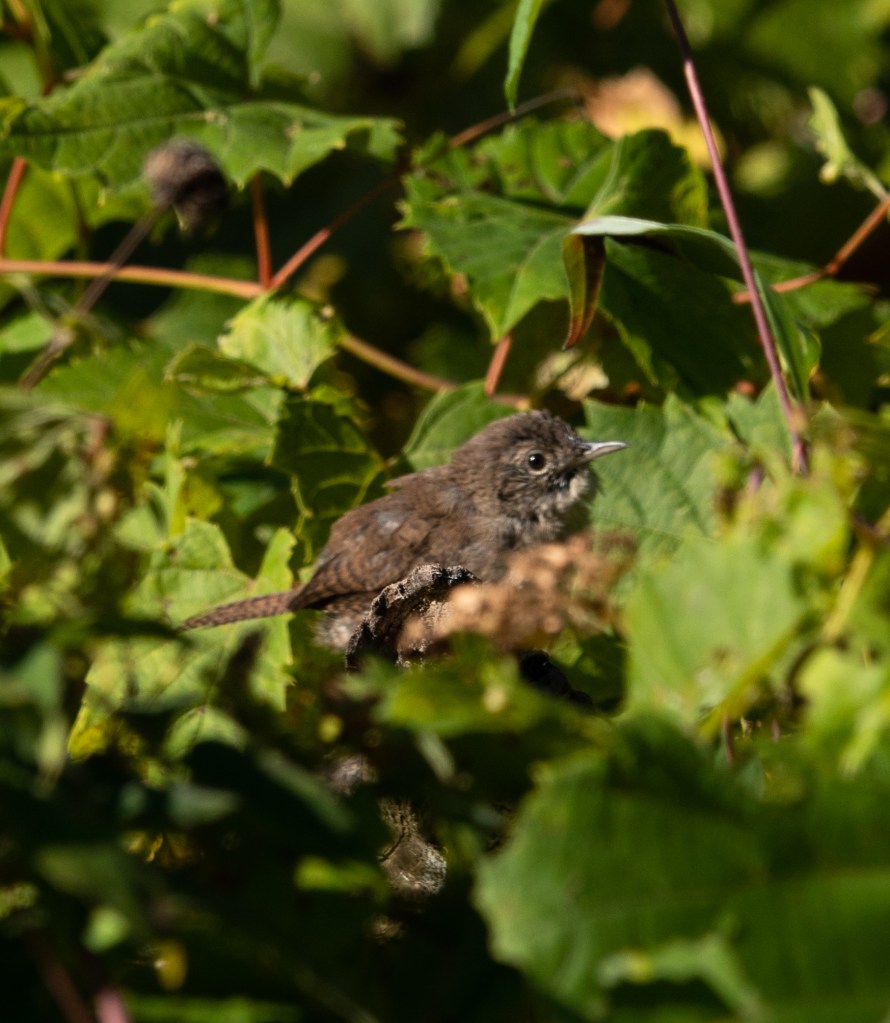
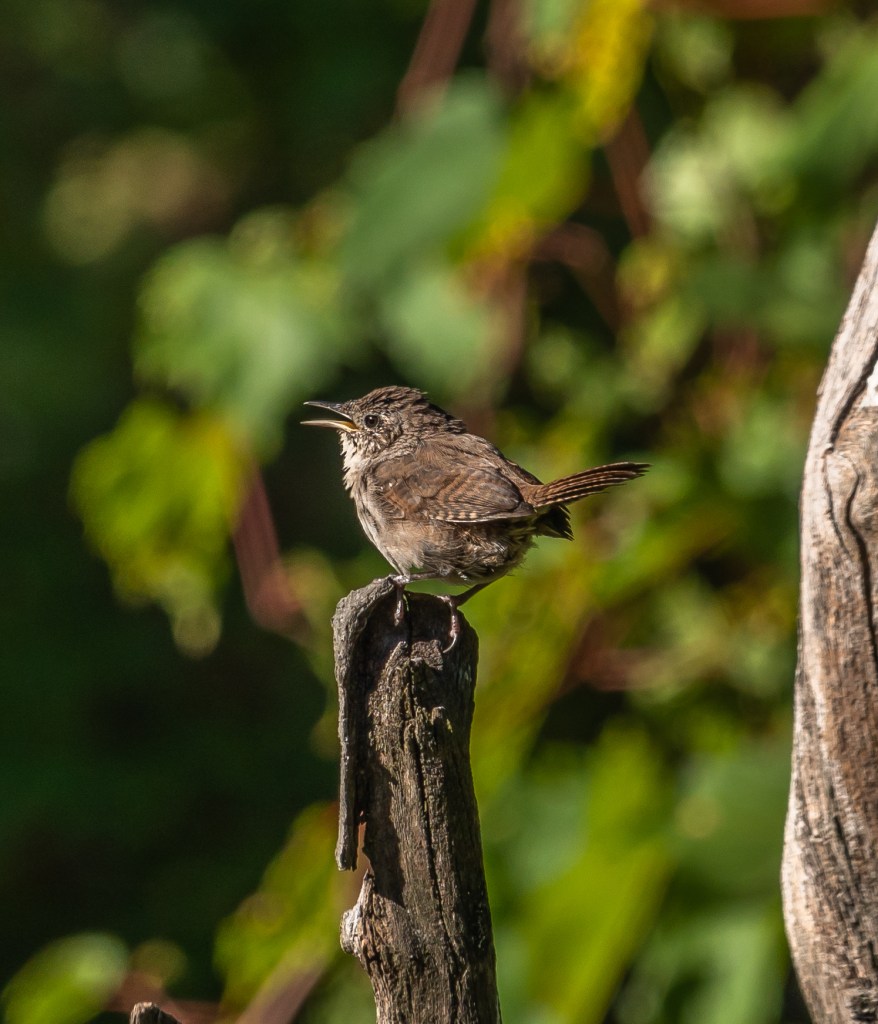
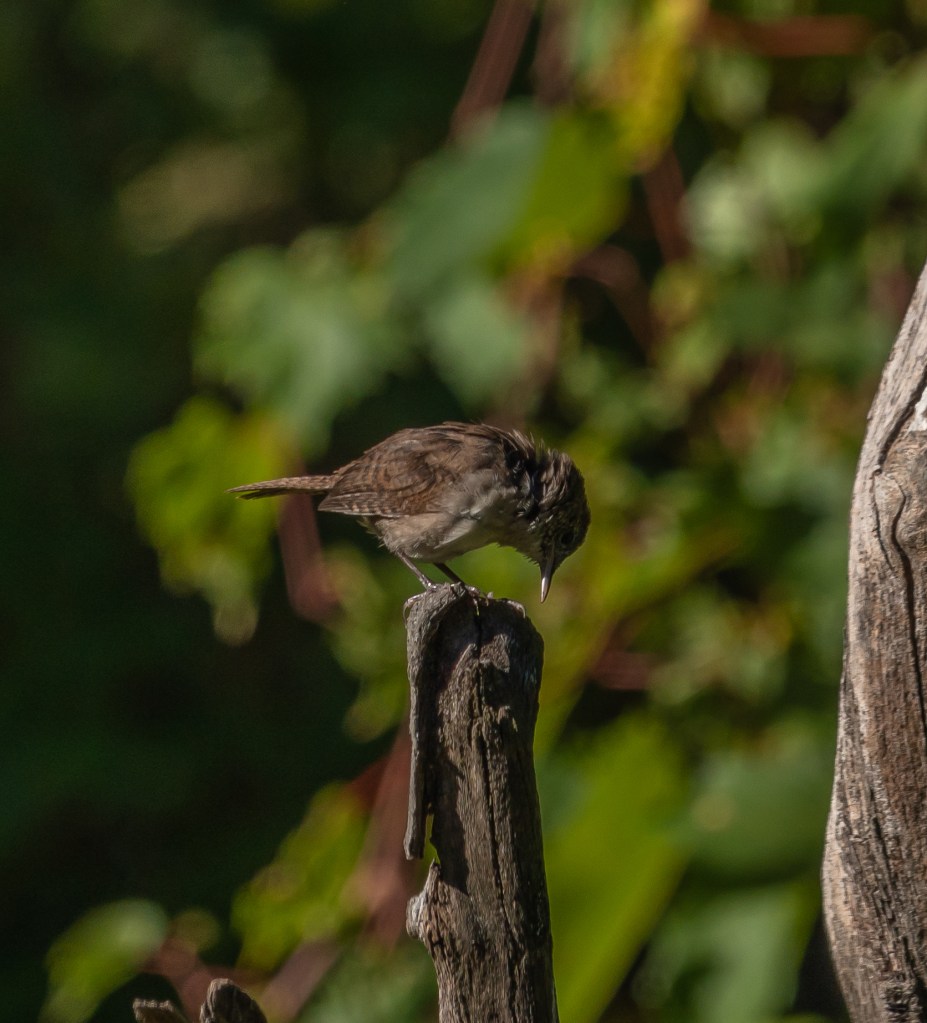
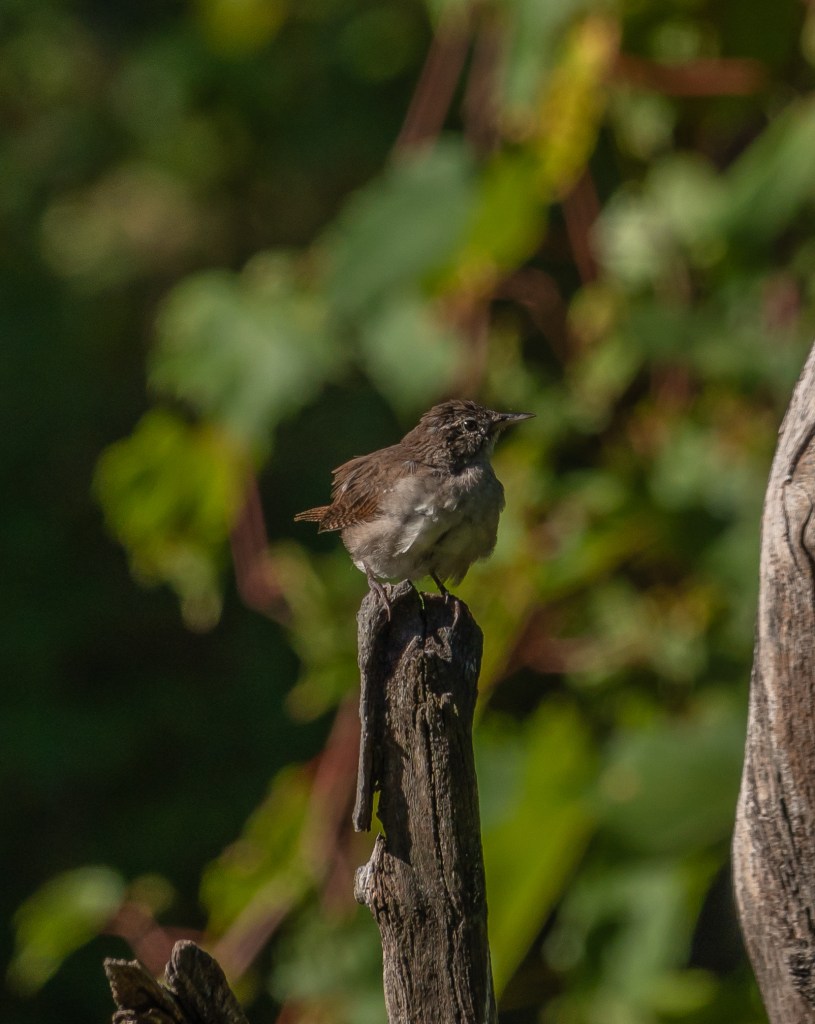
#3 I got many photos of this chatty, diminutive bird:






#4
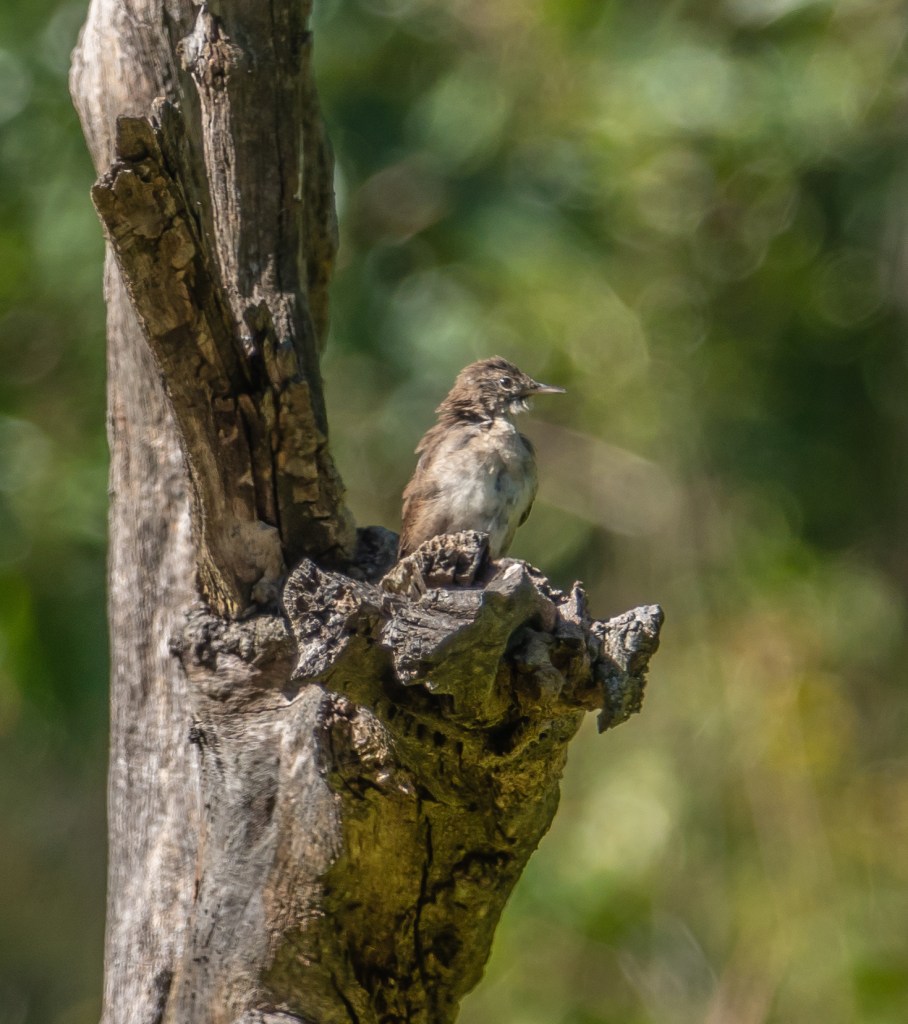
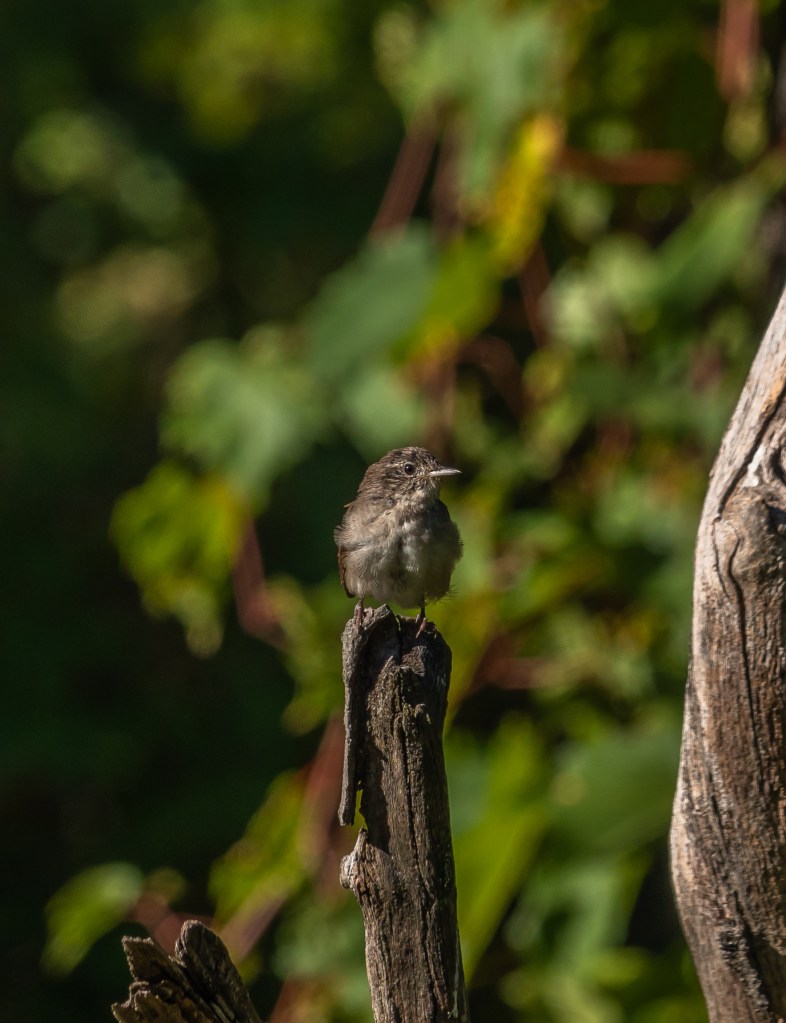
I thought that this was the same House Wren as it was sitting on a stump as before.
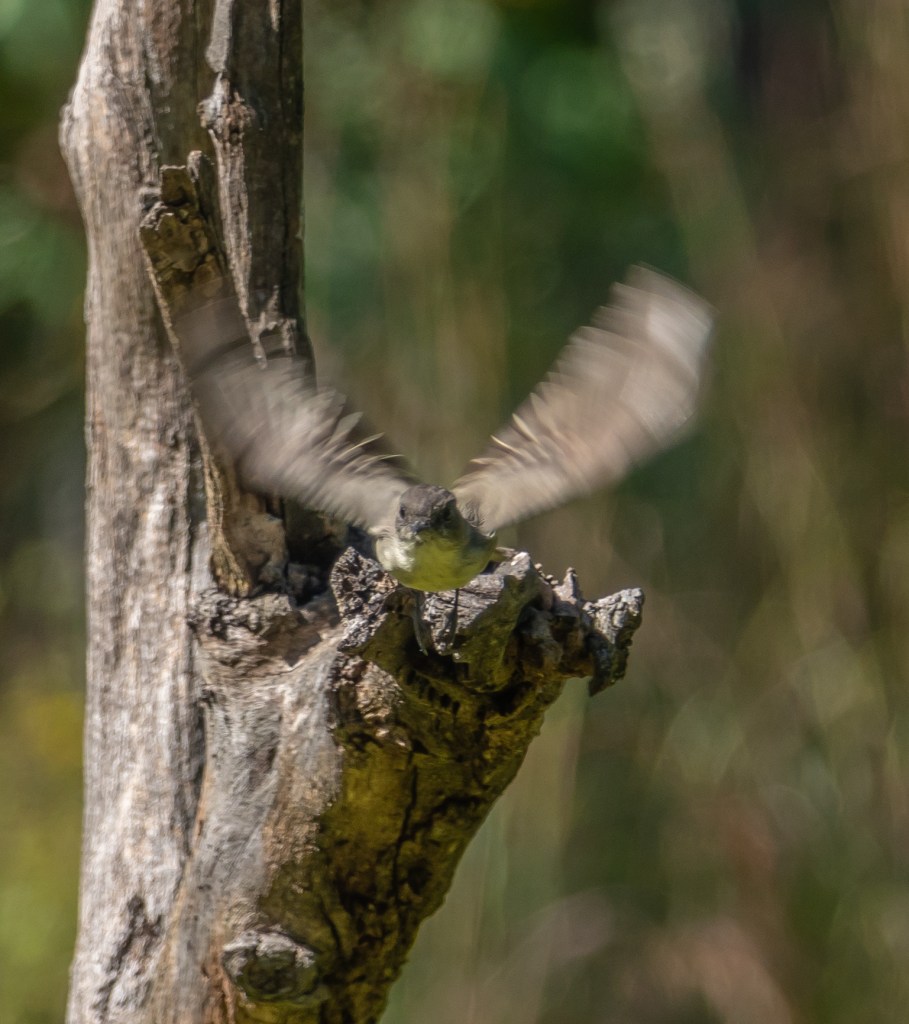
But then I saw this photo as I prepared my post at home:


Those light wing bars and yellowish belly make it a Yellow-bellied Flycatcher.

#5
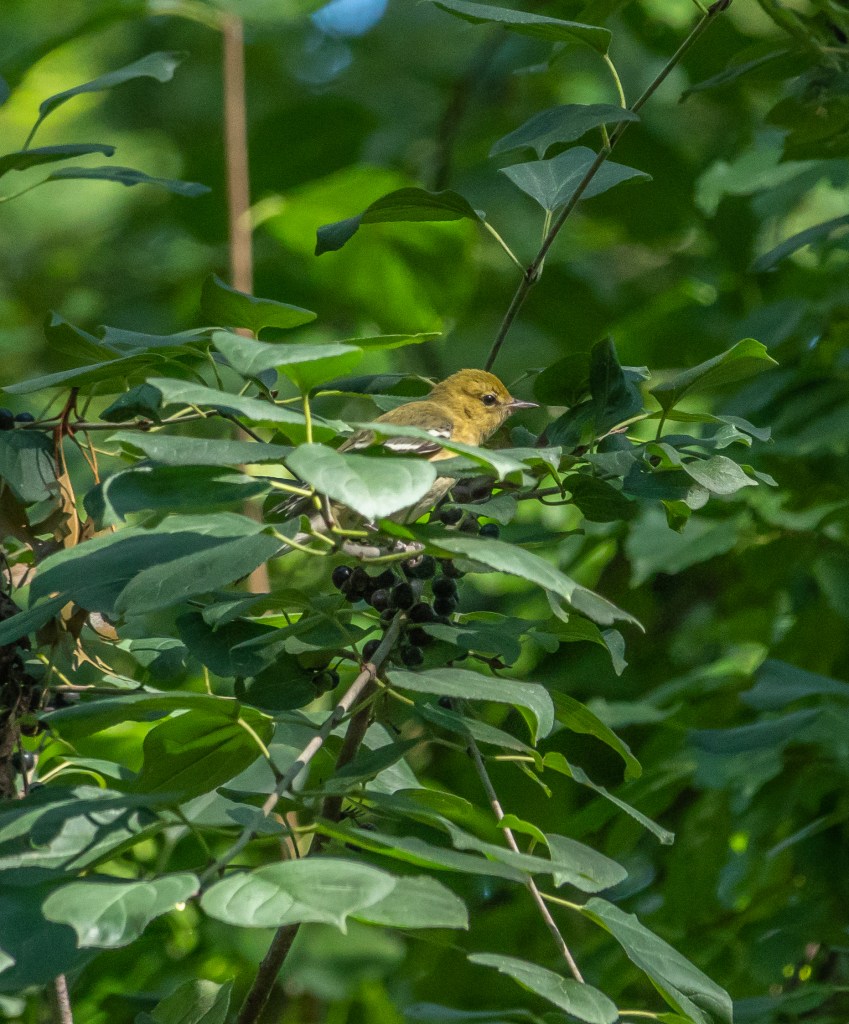
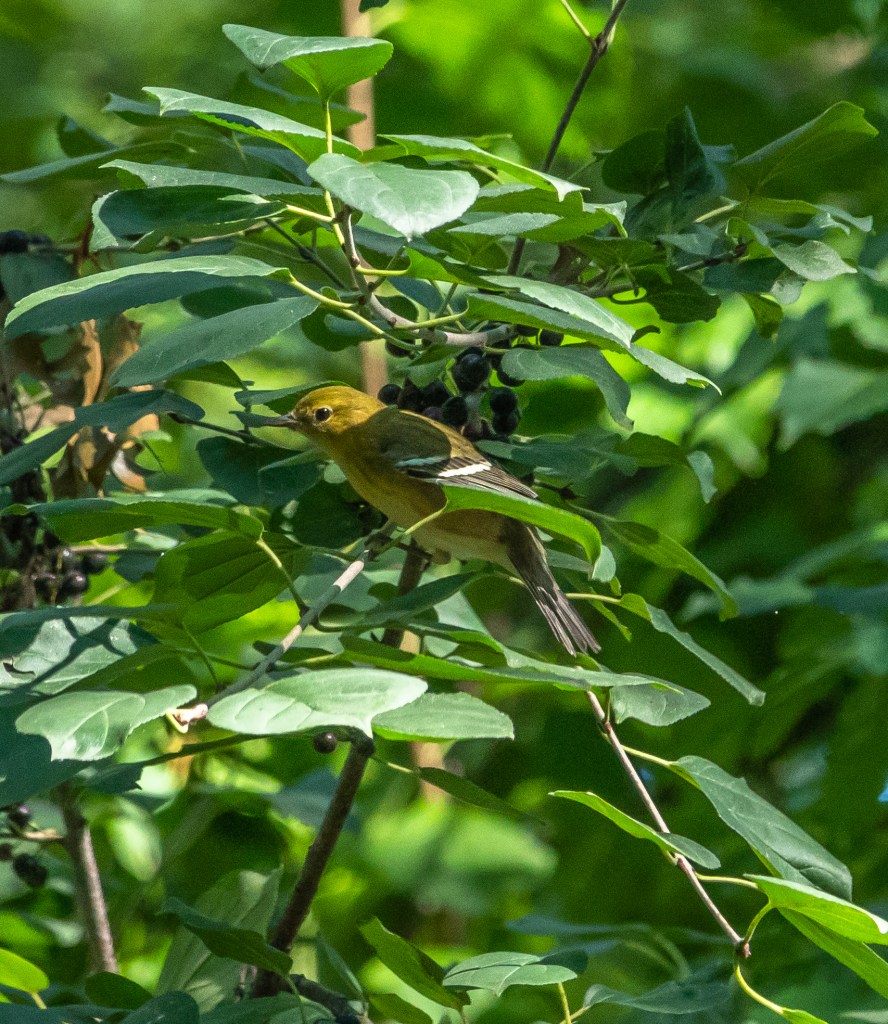
I did not get a good look at this bird in the field but did see the larger-than-warbler size, yellowish colour and white wing bars. I thought that it might be a Yellow-throated Vireo.
Yellow-throated Vireos have “yellowish “spectacles” around the eyes but I could not see the eyes. On seeing my 2 photos at home, it was clear that there were no “spectacles.” The bird is a female Baltimore Oriole.

Species list: mallard, wood duck, red-tailed hawk, solitary sandpiper, ring-billed gull, hairy woodpecker, downy woodpecker, yellow-bellied flycatcher, blue jay, black-capped chickadee, white-breasted nuthatch, house wren, yellow-rumped warbler, house sparrow, Baltimore oriole, northern cardinal, American goldfinch. (17 species)
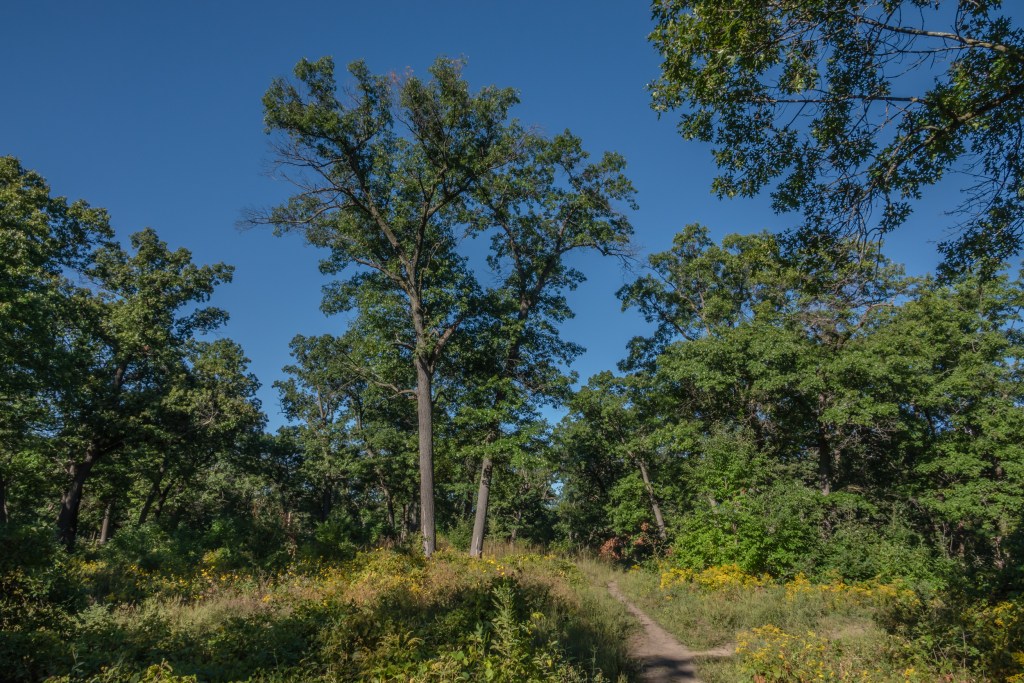
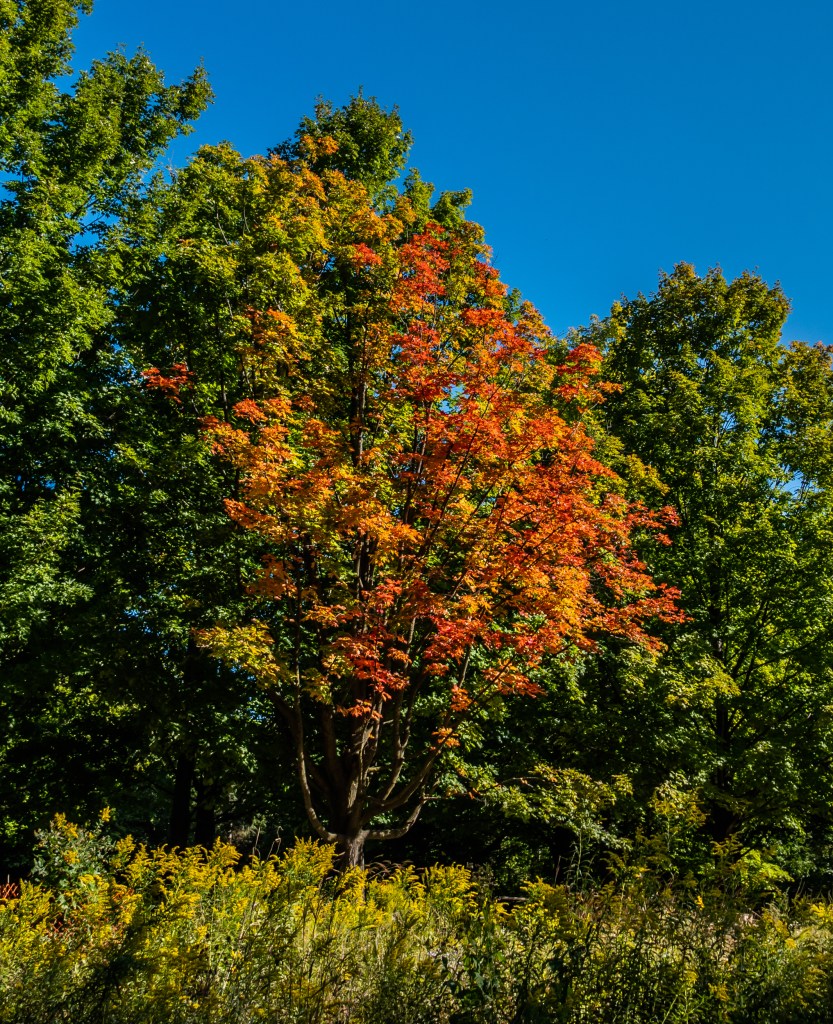
Park views:

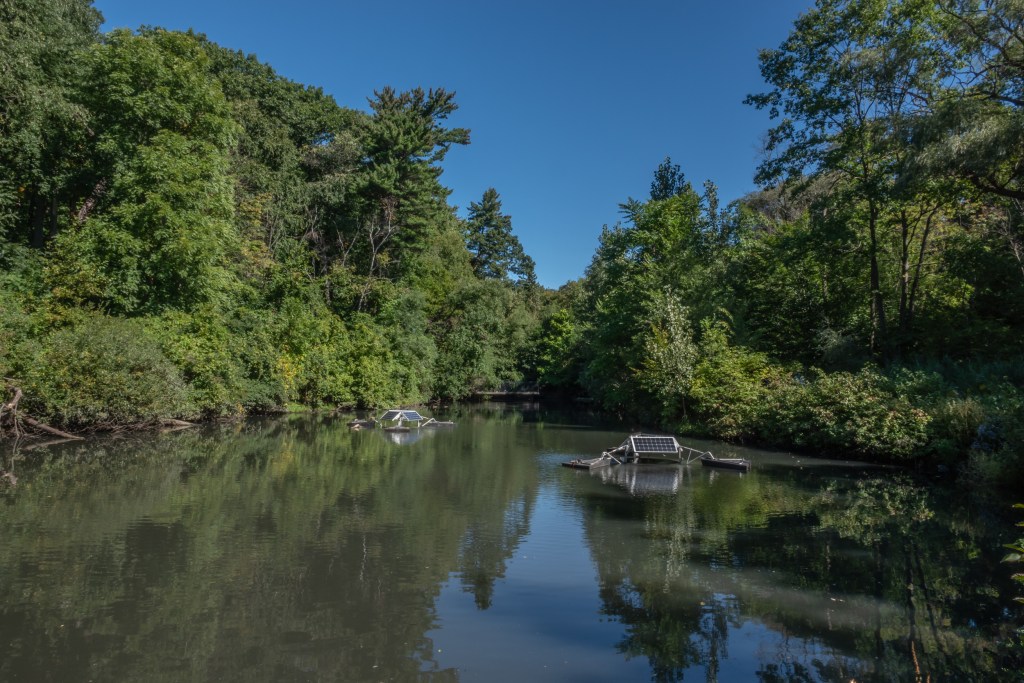
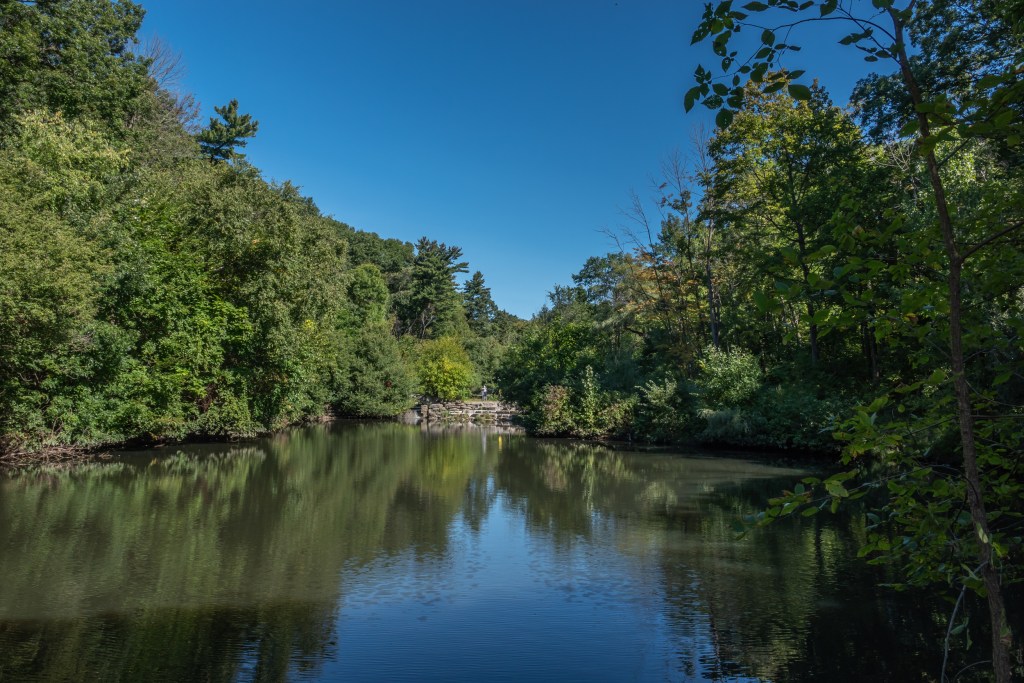

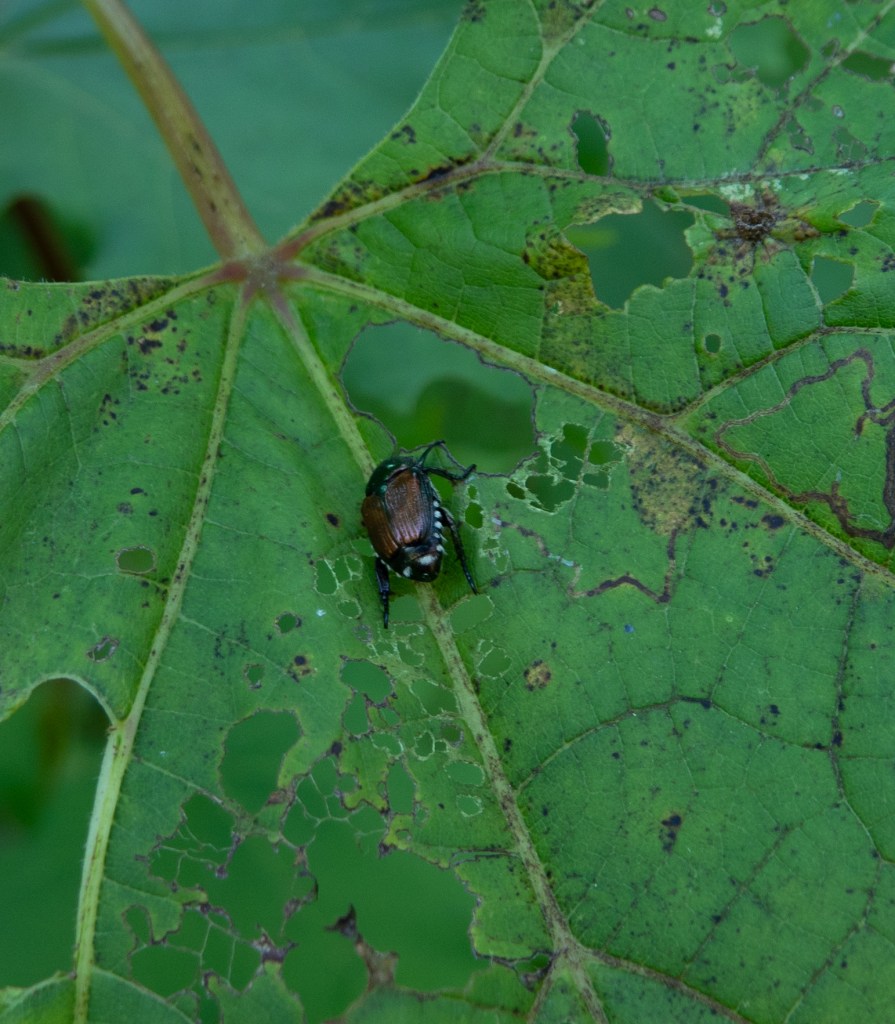
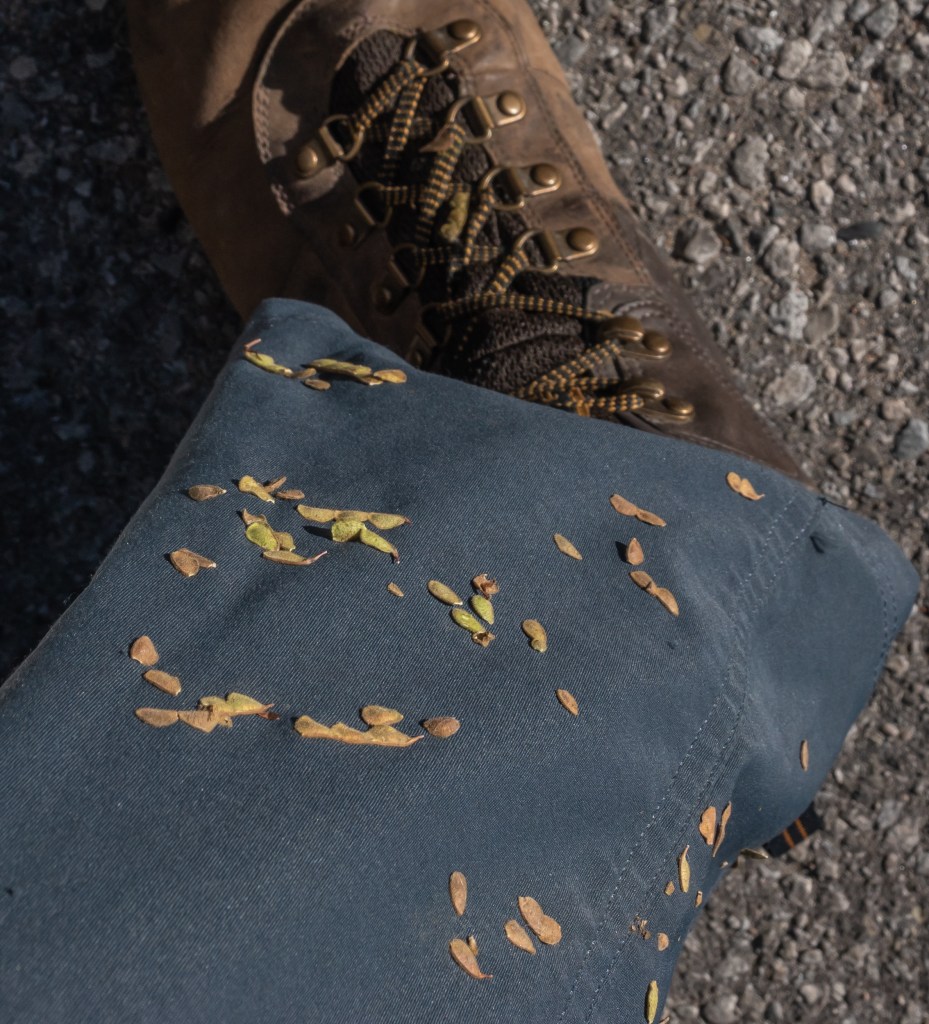
The fields here are full of Panicled Tick-trefoil and, now, so are my pants:

Some botany:

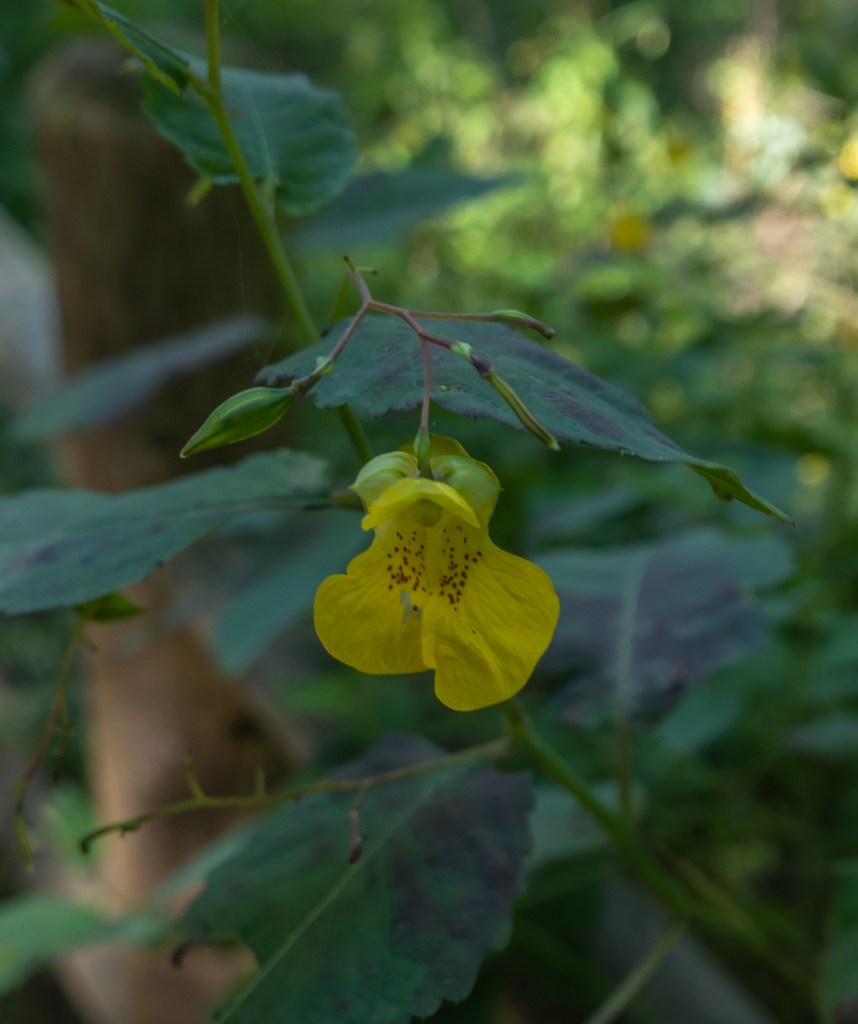

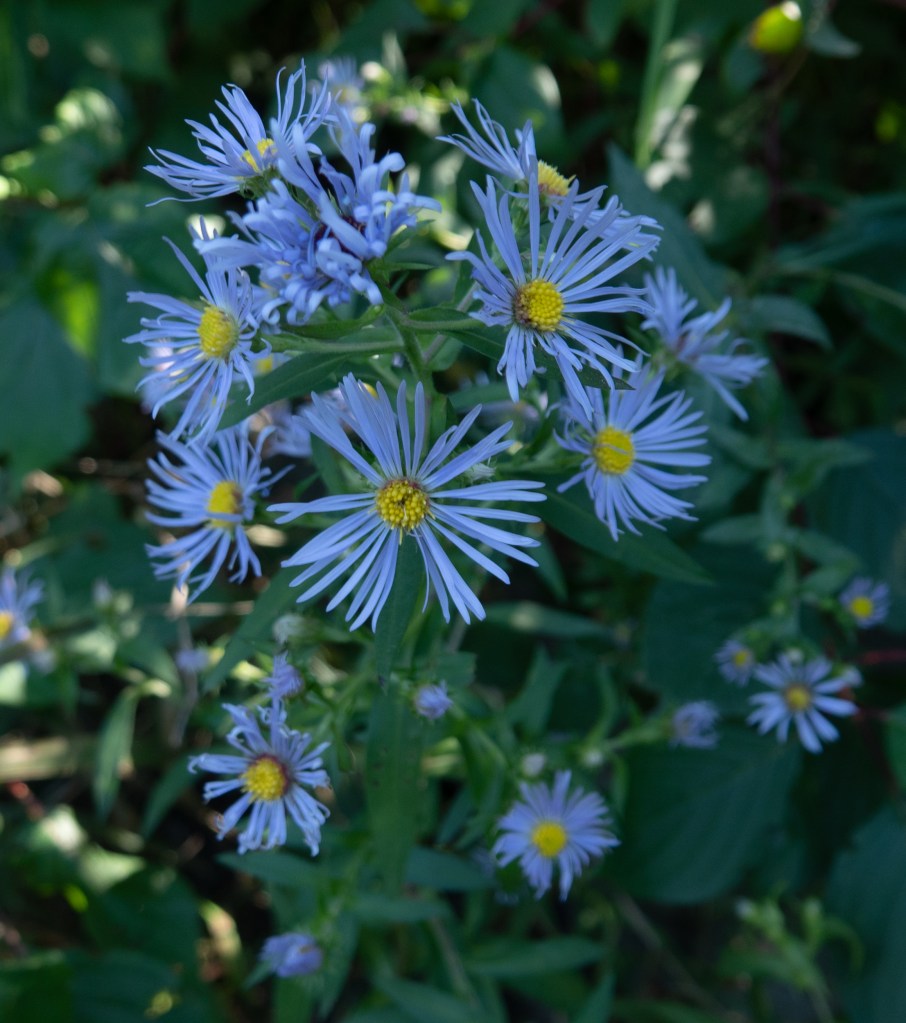

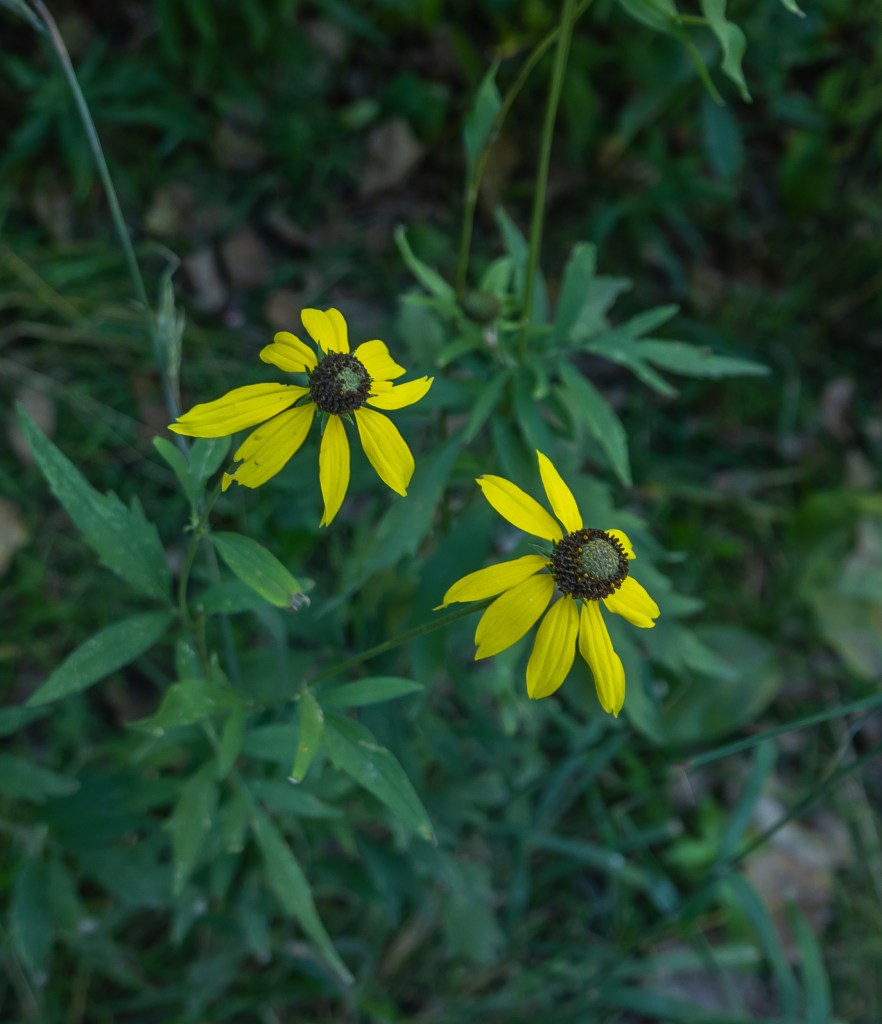

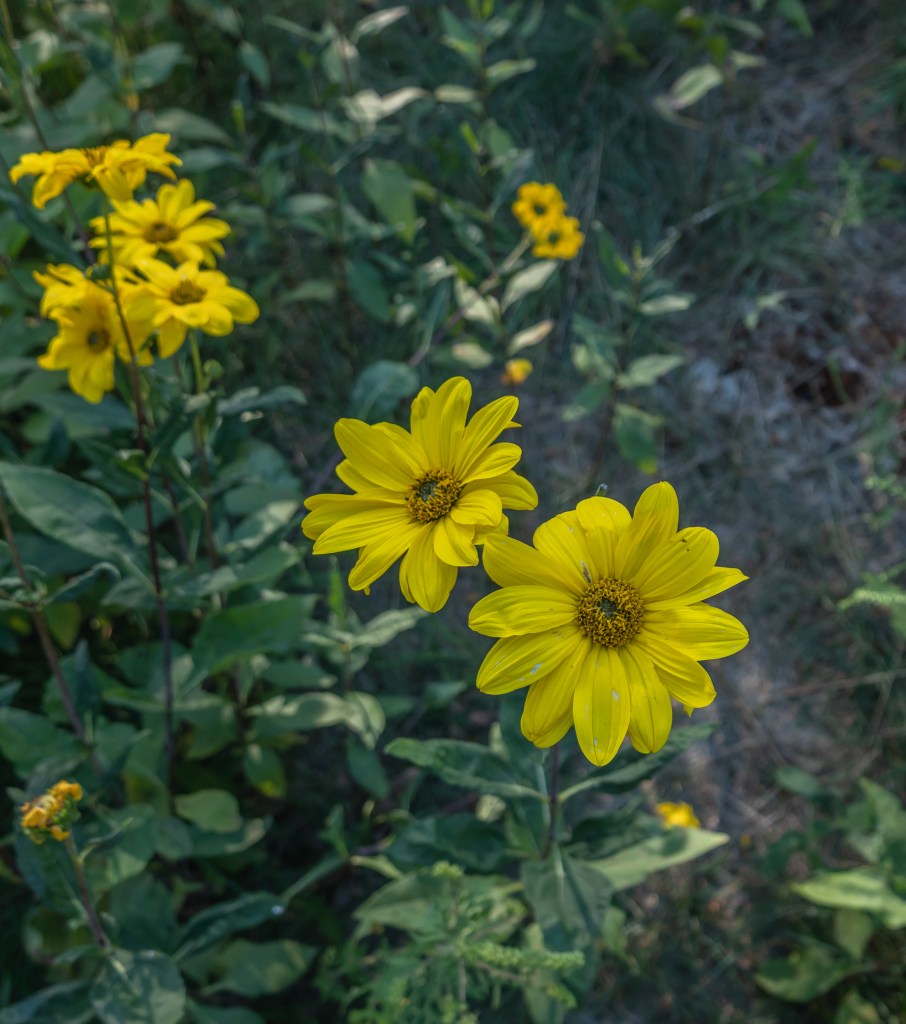

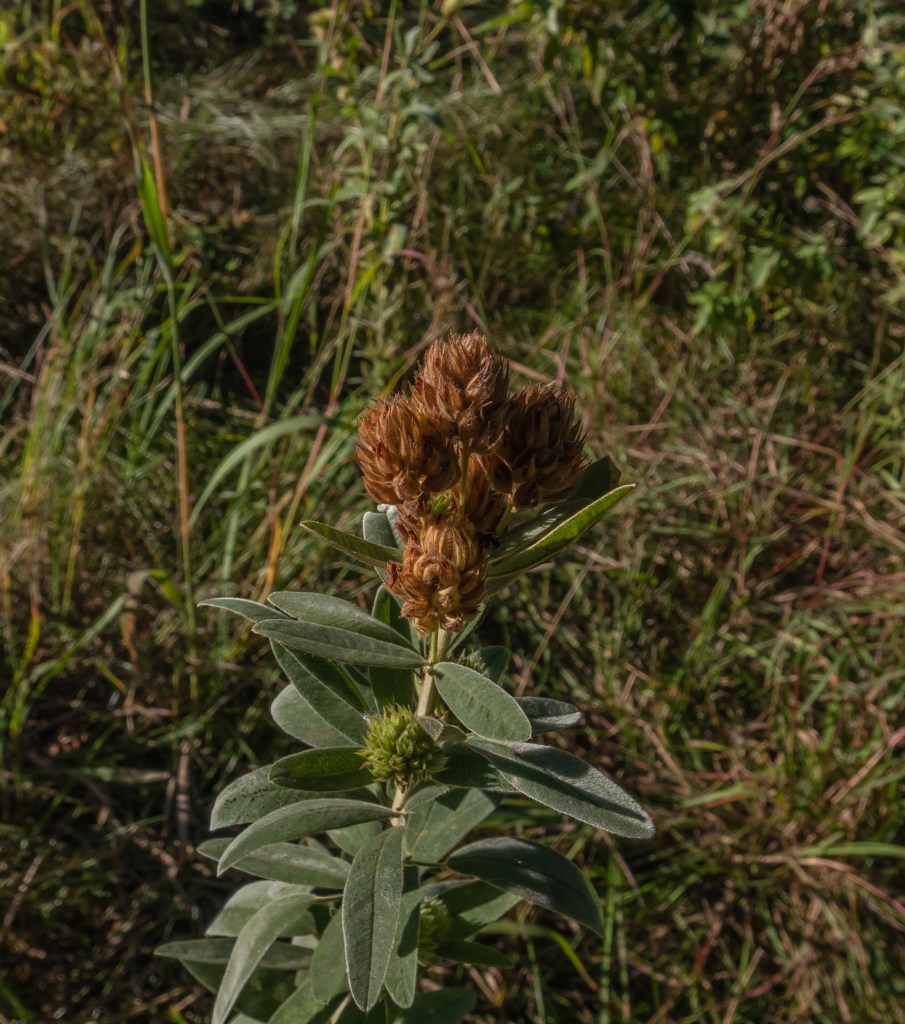

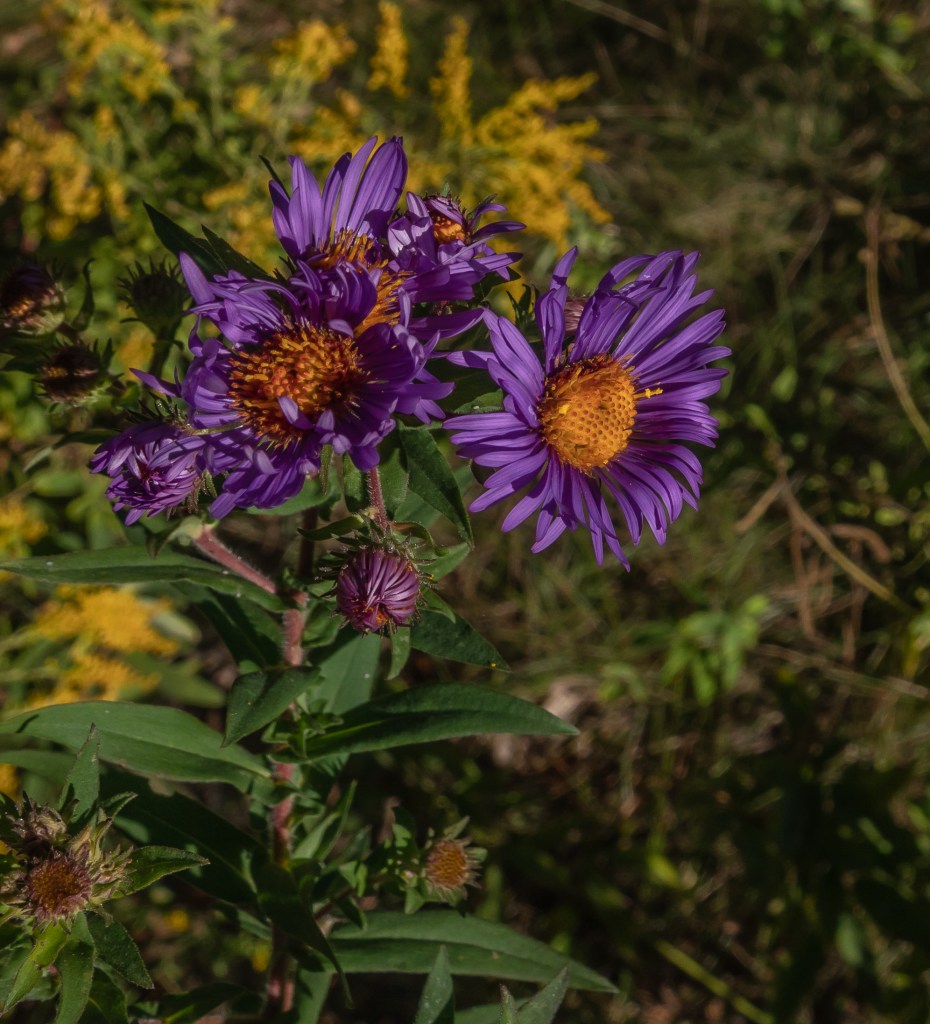

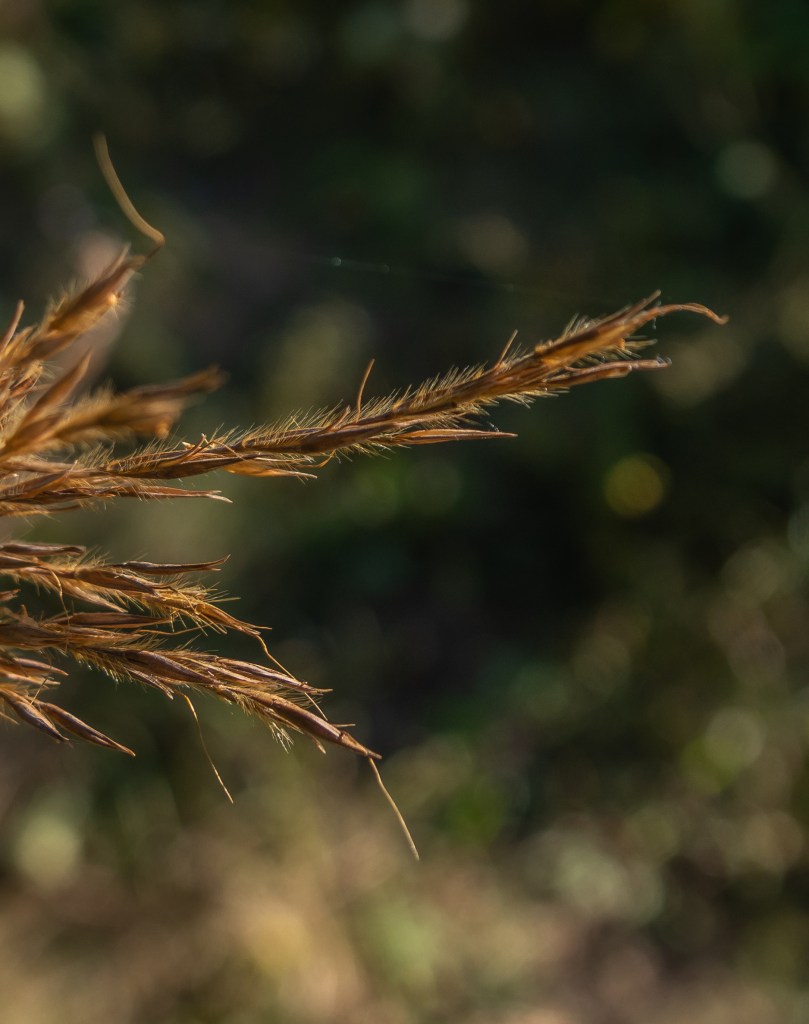

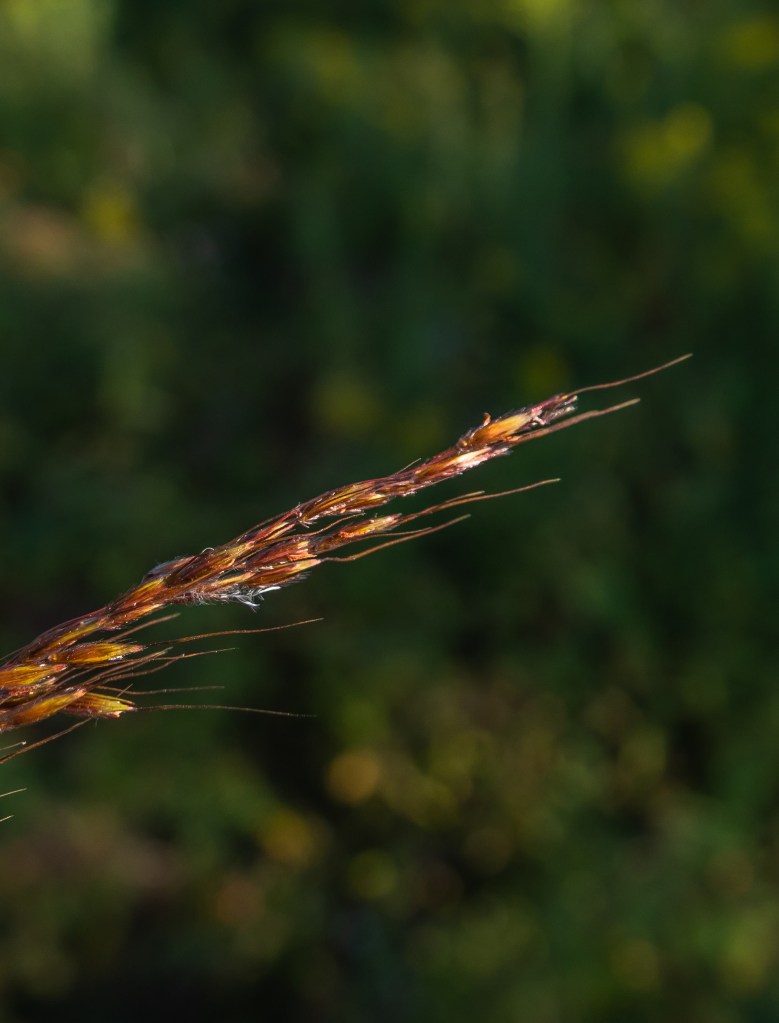

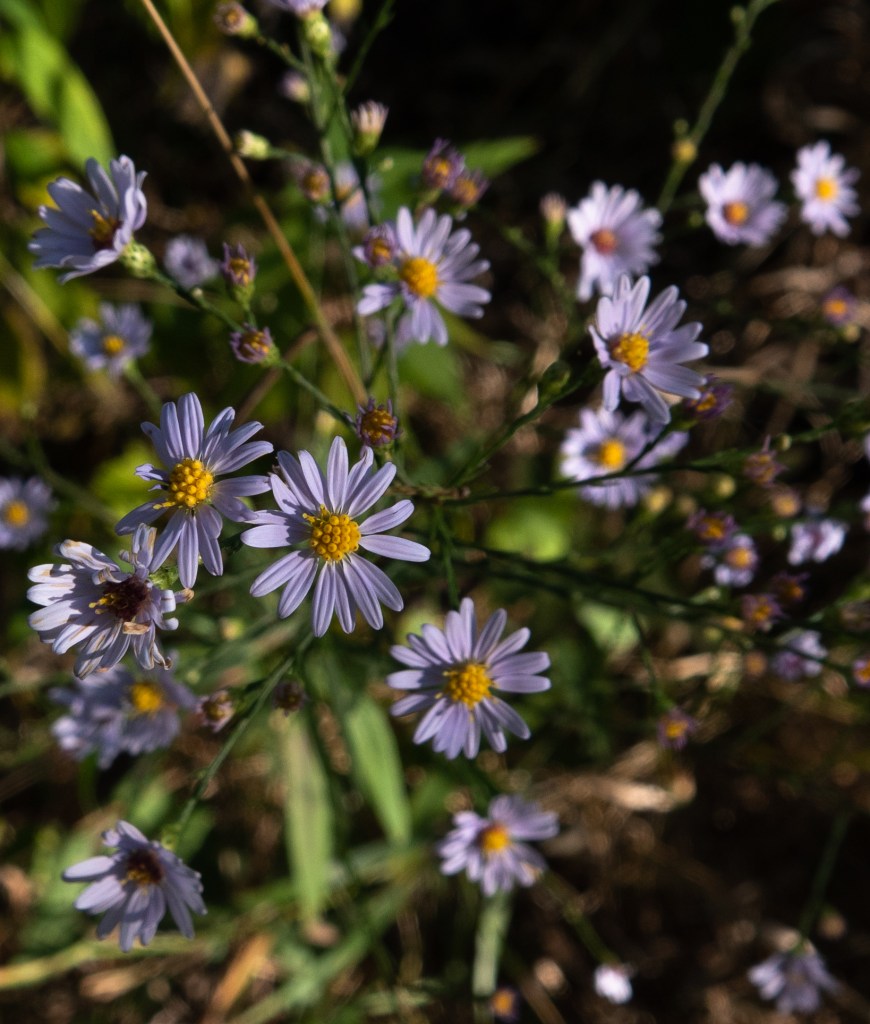
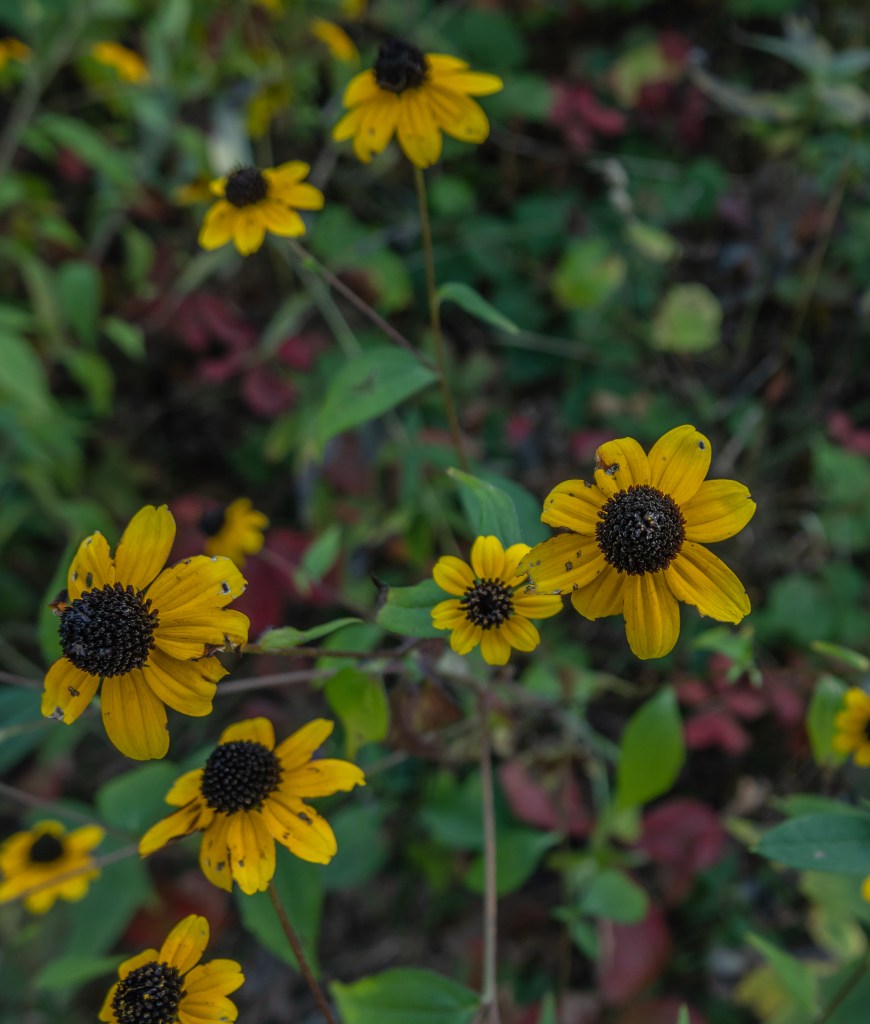


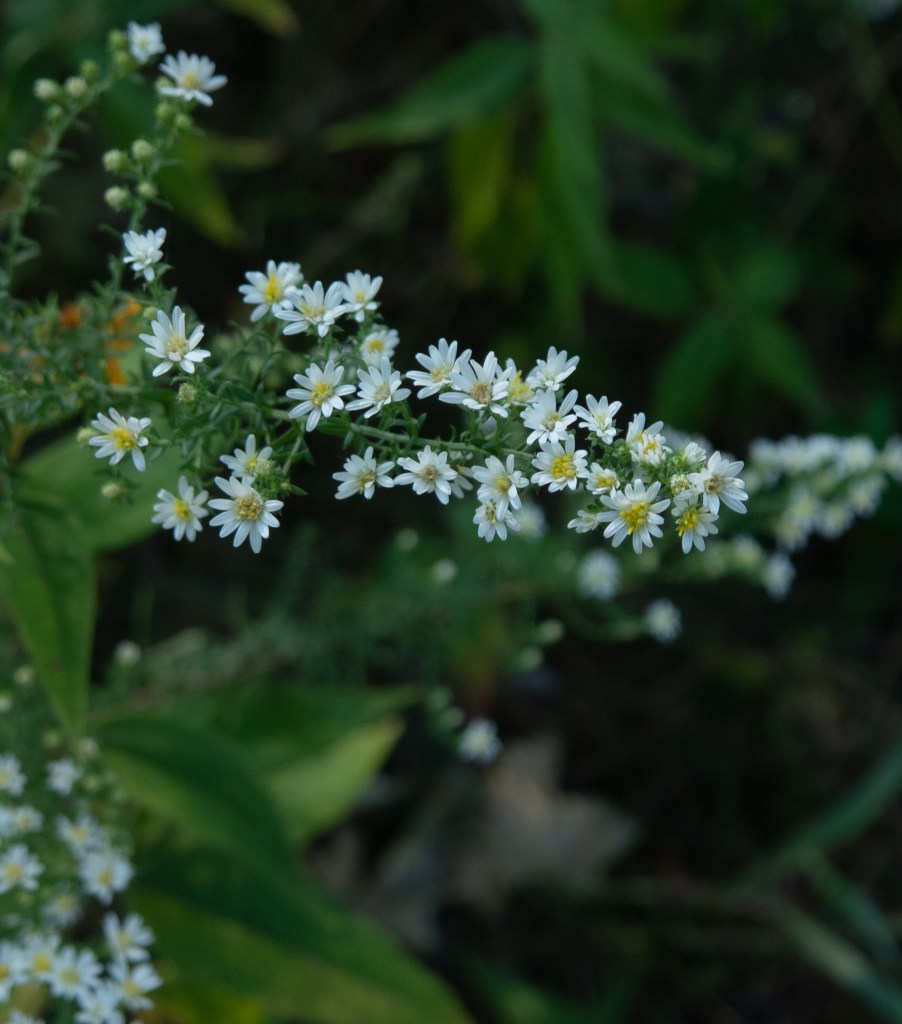

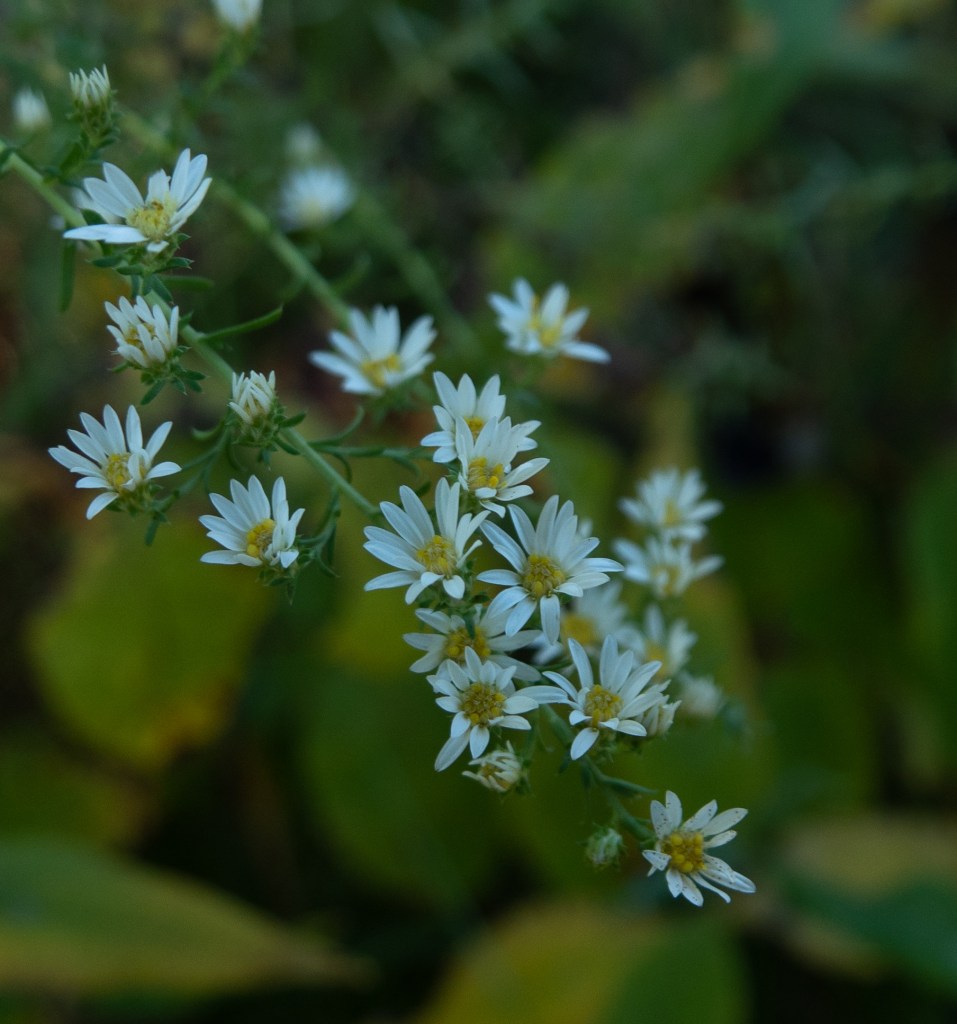
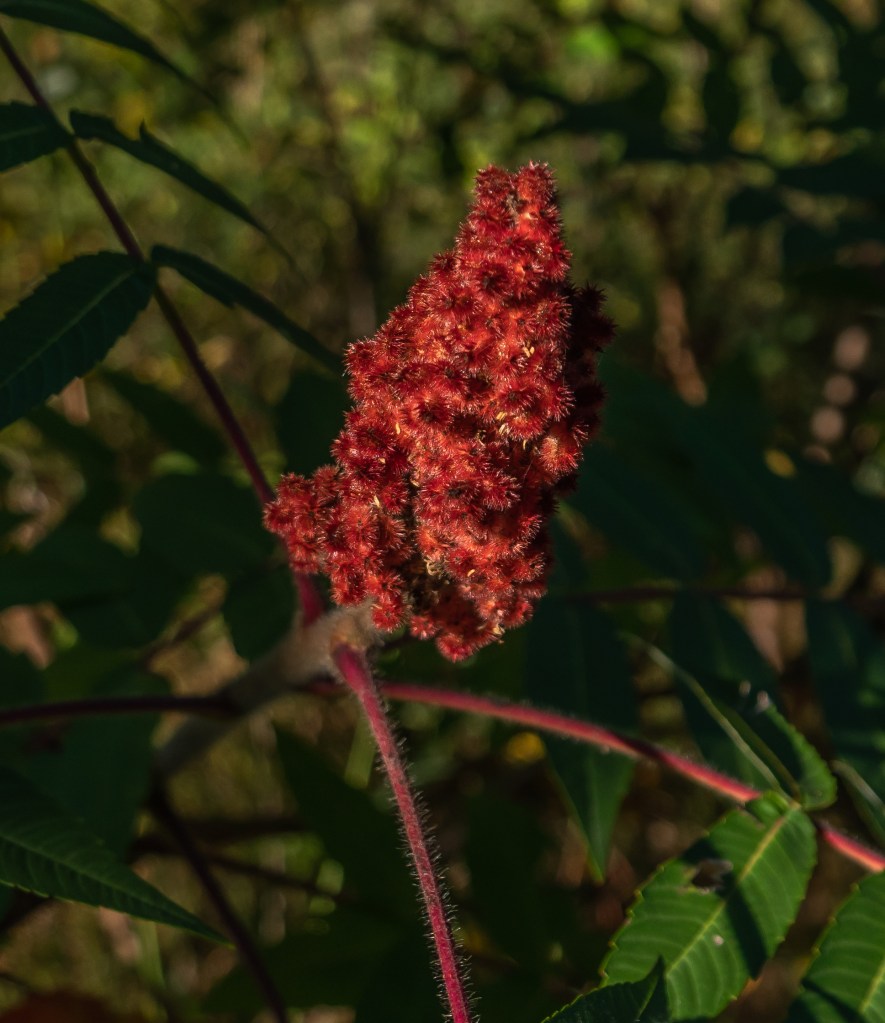

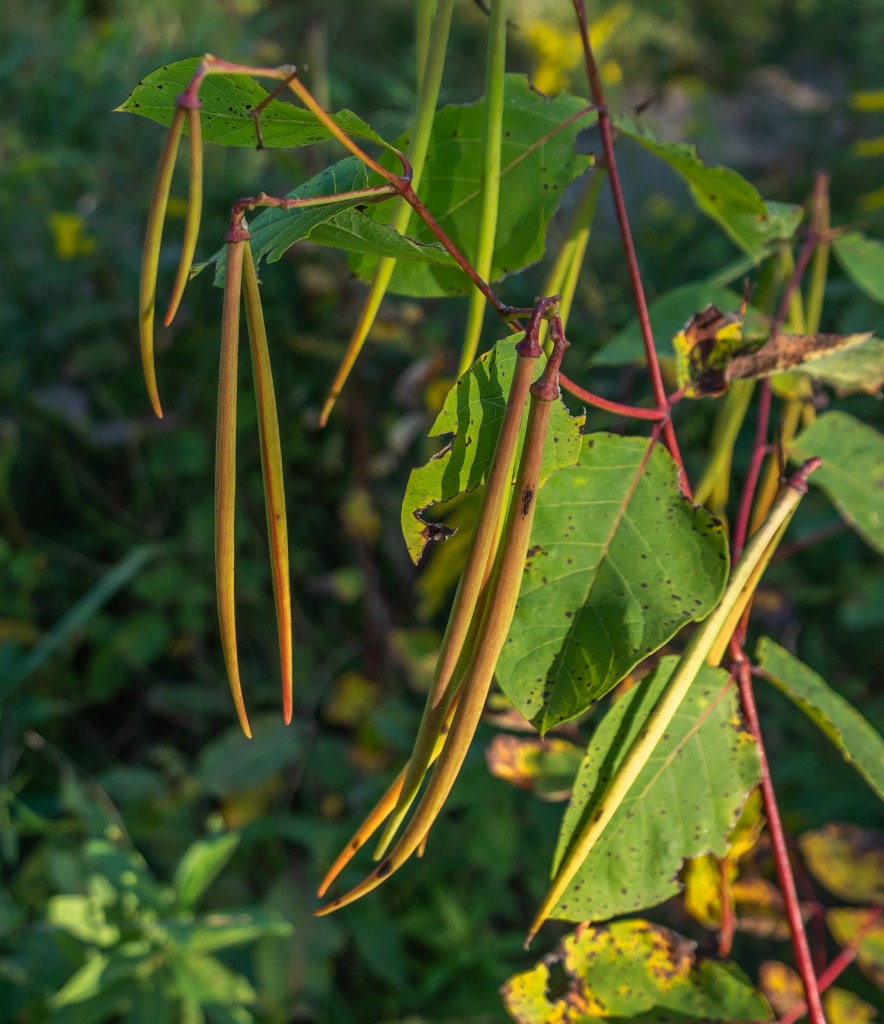

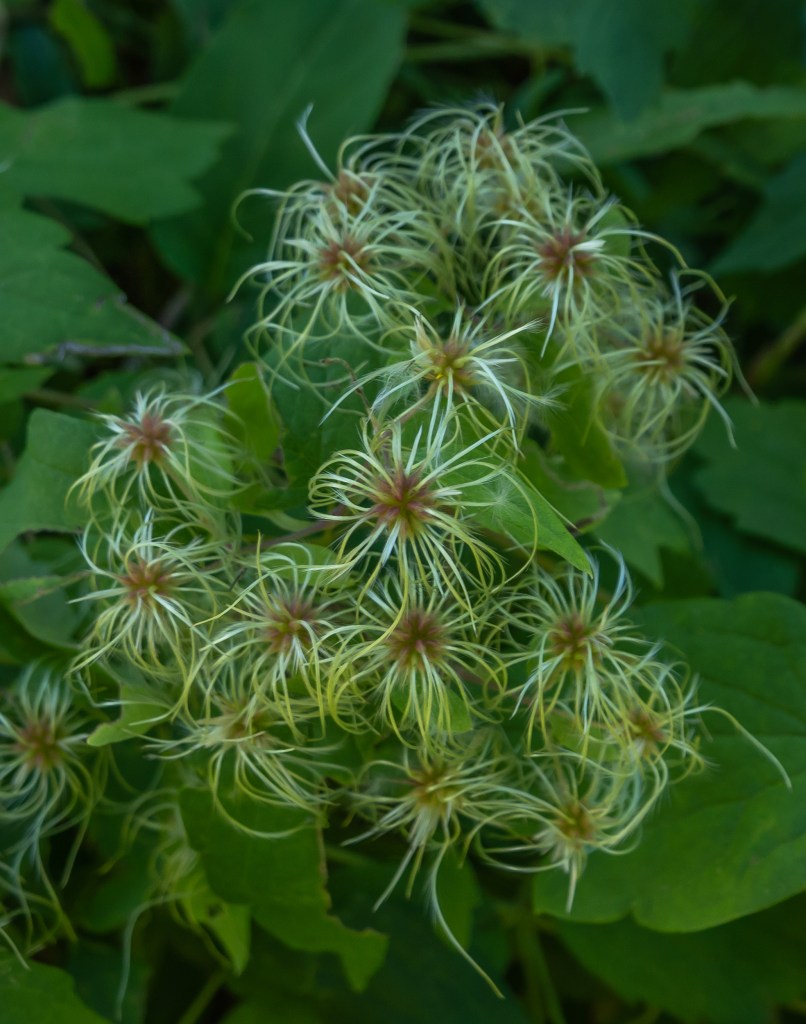

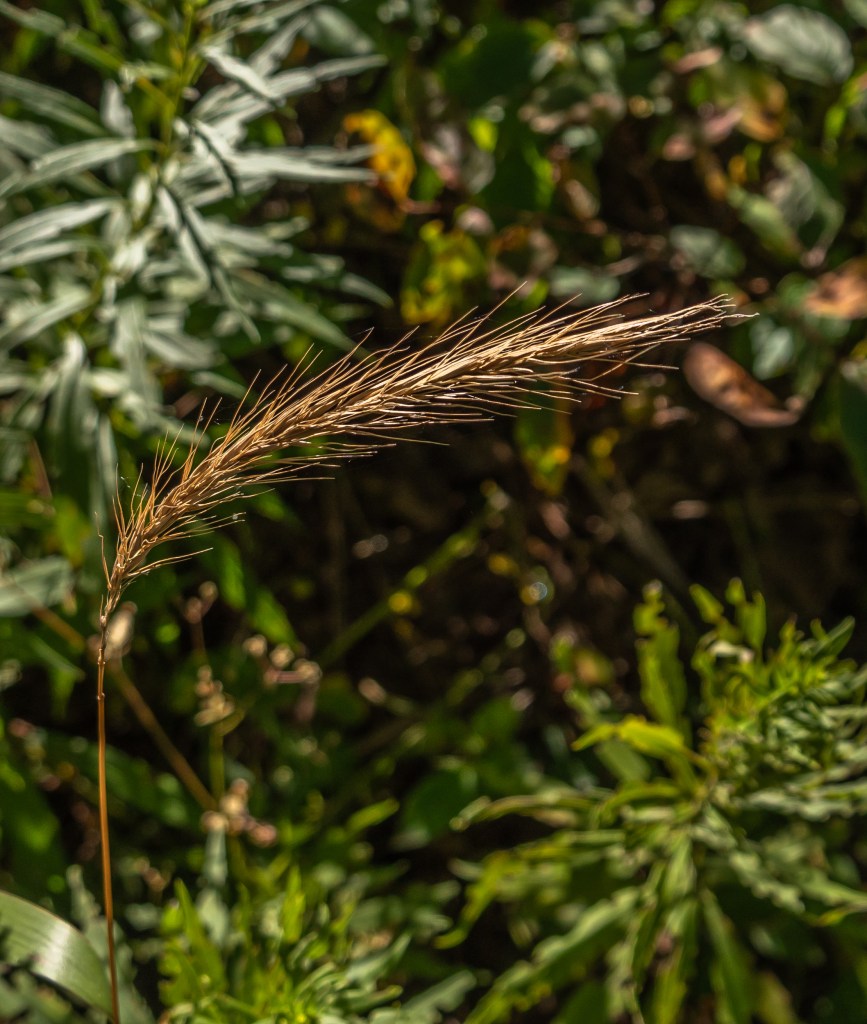

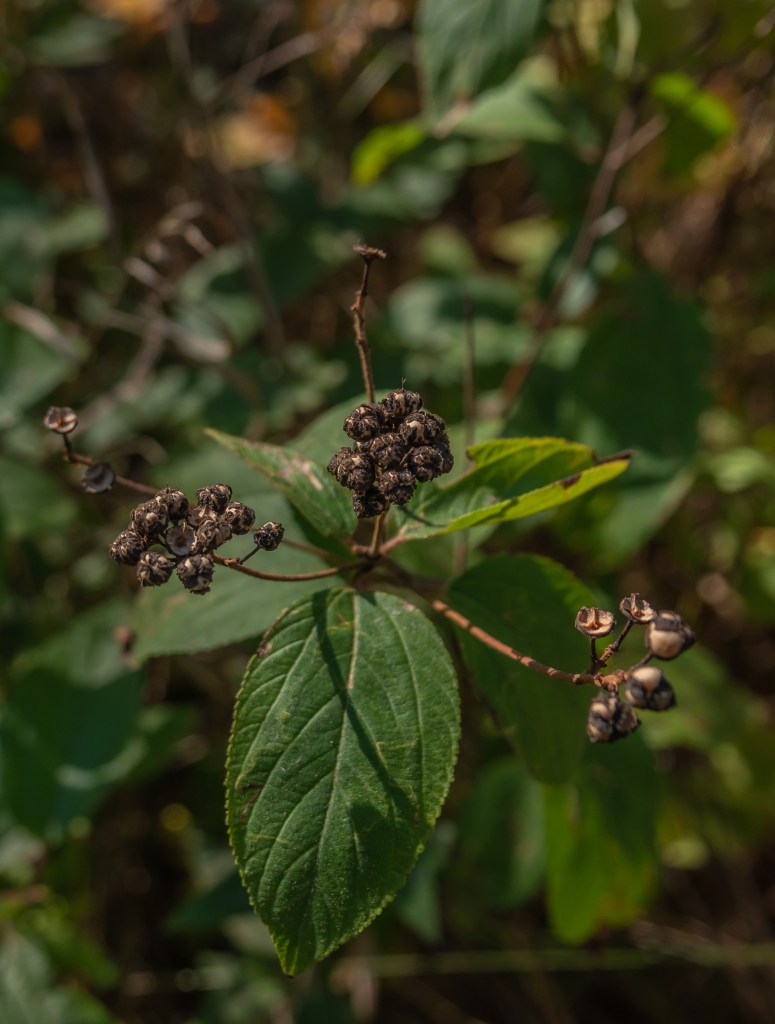

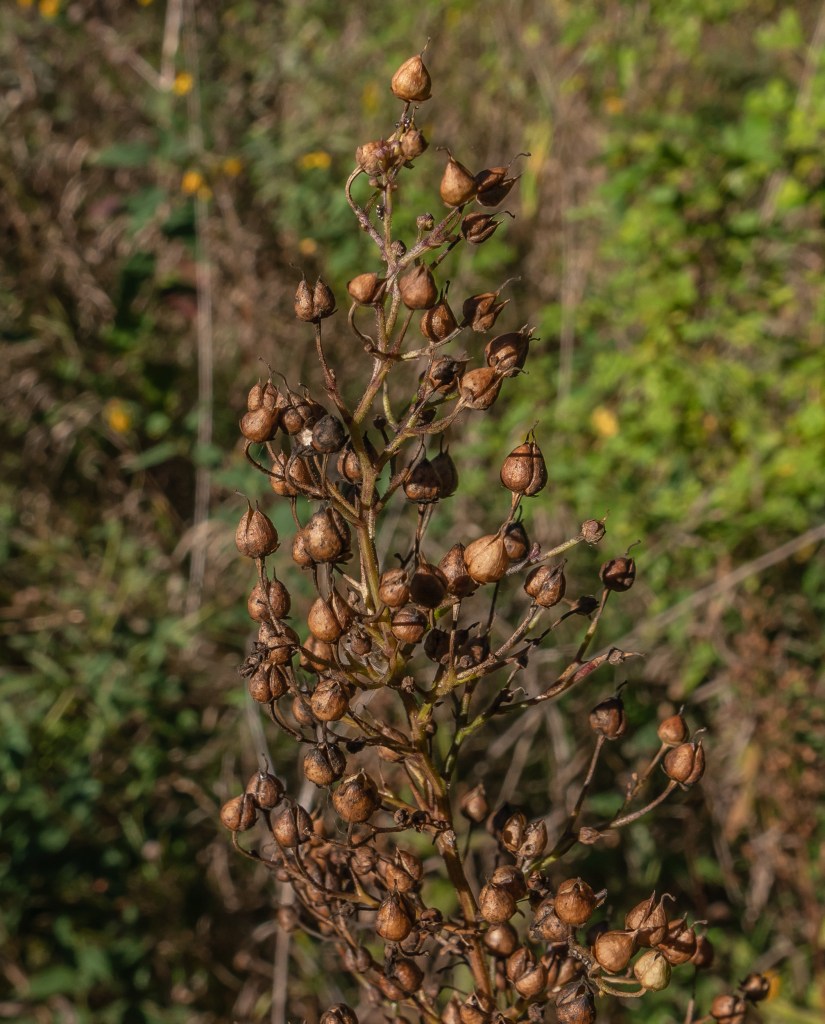
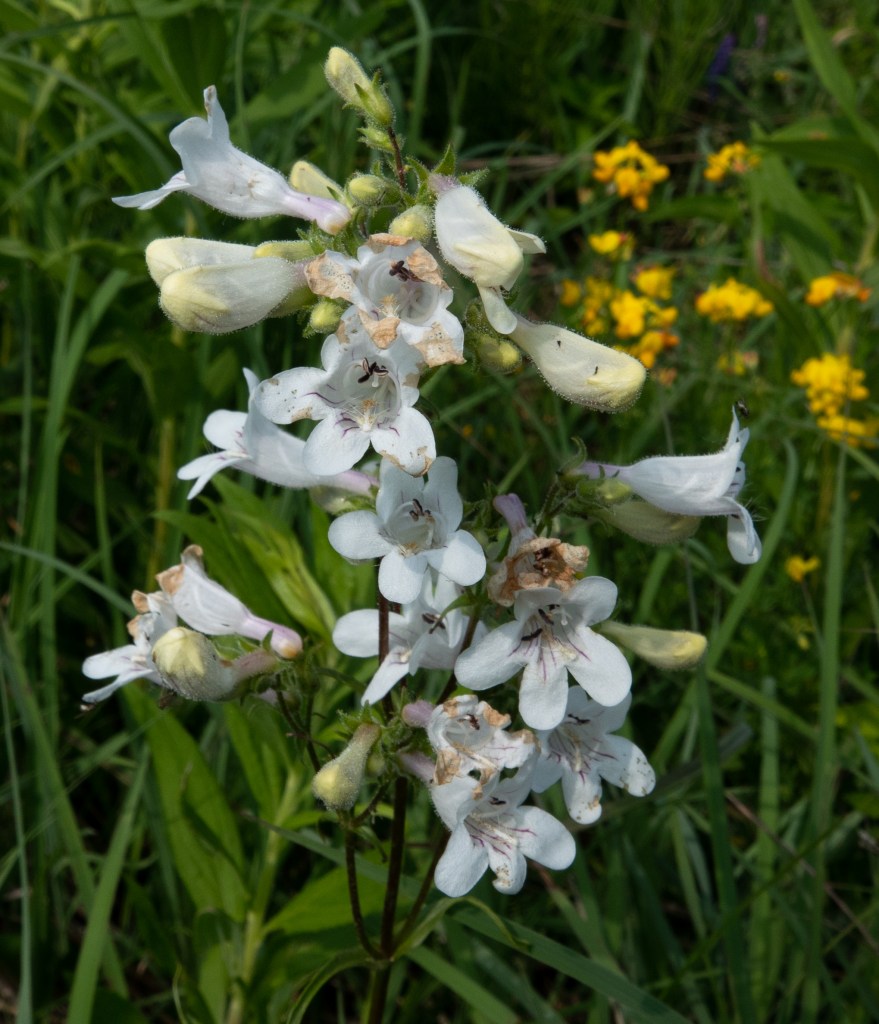
Here is how the same plant looked in June:

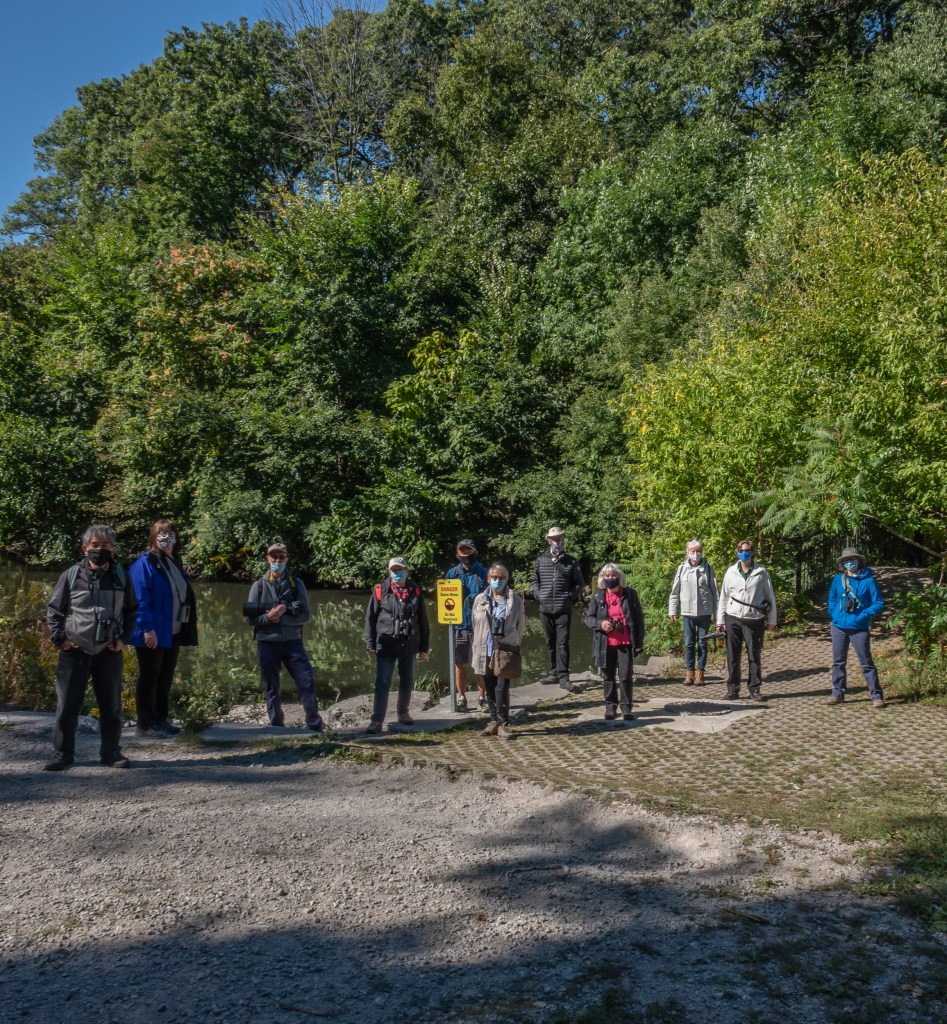
Today’s group:

NATURE POETRY
Tis all a myth that Autumn grieves,
For watch the rain among the leaves;
With silver fingers dimly seen
It makes each leaf a tambourine. – Samuel Minturn Peck (1854-1938)
Miles Hearn